

A high similarity score can make a student look for shortcuts, especially when the deadline is already close.
That pressure makes shortcuts tempting, especially if you are searching for how to bypass turnitin instead of how to fix the paper.
A safer path is to fix the source problem instead of hiding it from the report.
Quick Answer to How to Bypass Turnitin
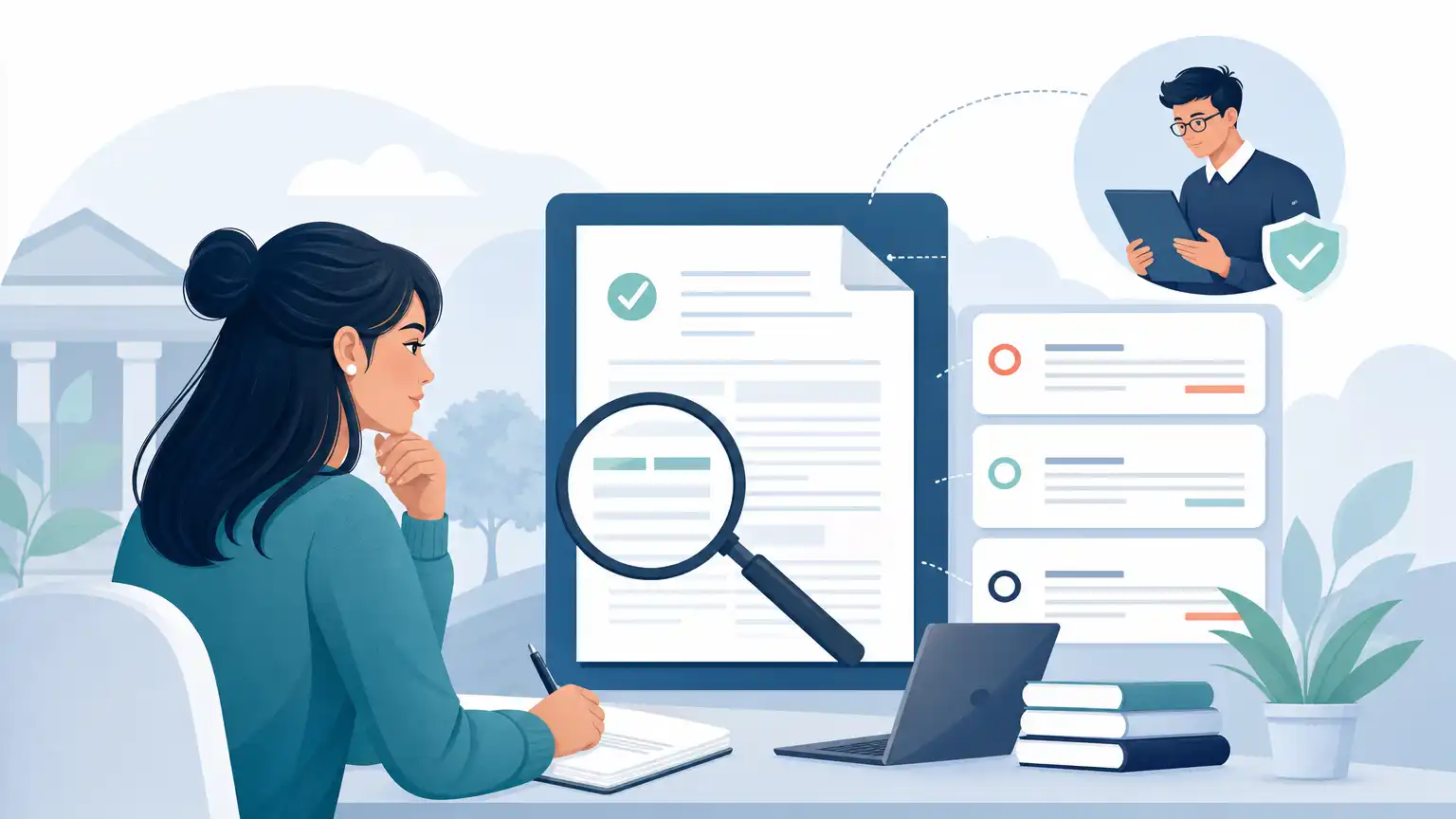
If you are looking for ways around Turnitin, stop and redirect that energy into legitimate revision. Turnitin presents similarity information for instructors to interpret, and the company itself says it does not detect plagiarism on its own; it identifies text similarity that a human reader has to evaluate. That means your real task is not hiding patterns but improving the paper so your wording, evidence use, and citations reflect your actual thinking.
For students, the most practical response is simple: rewrite borrowed-looking passages from understanding, quote exact language when needed, cite every source consistently, and review any AI-assisted sections for generic phrasing. Also remember that the AI percentage and the Similarity score are separate. Turnitin says those measures are independent, so lowering one does not automatically change the other. If a report looks concerning, revise for clarity and originality rather than trying to outsmart the system.
Why Bypassing Turnitin Is the Wrong Goal
Trying to bypass a report system usually creates bigger academic problems than the original draft. A paper can look risky for many reasons: too many direct quotations, weak paraphrasing, repetitive source language, recycled material from your own earlier work, or stiff AI-shaped prose that does not sound like your normal writing. None of those issues get solved by concealment. They get solved by revision.
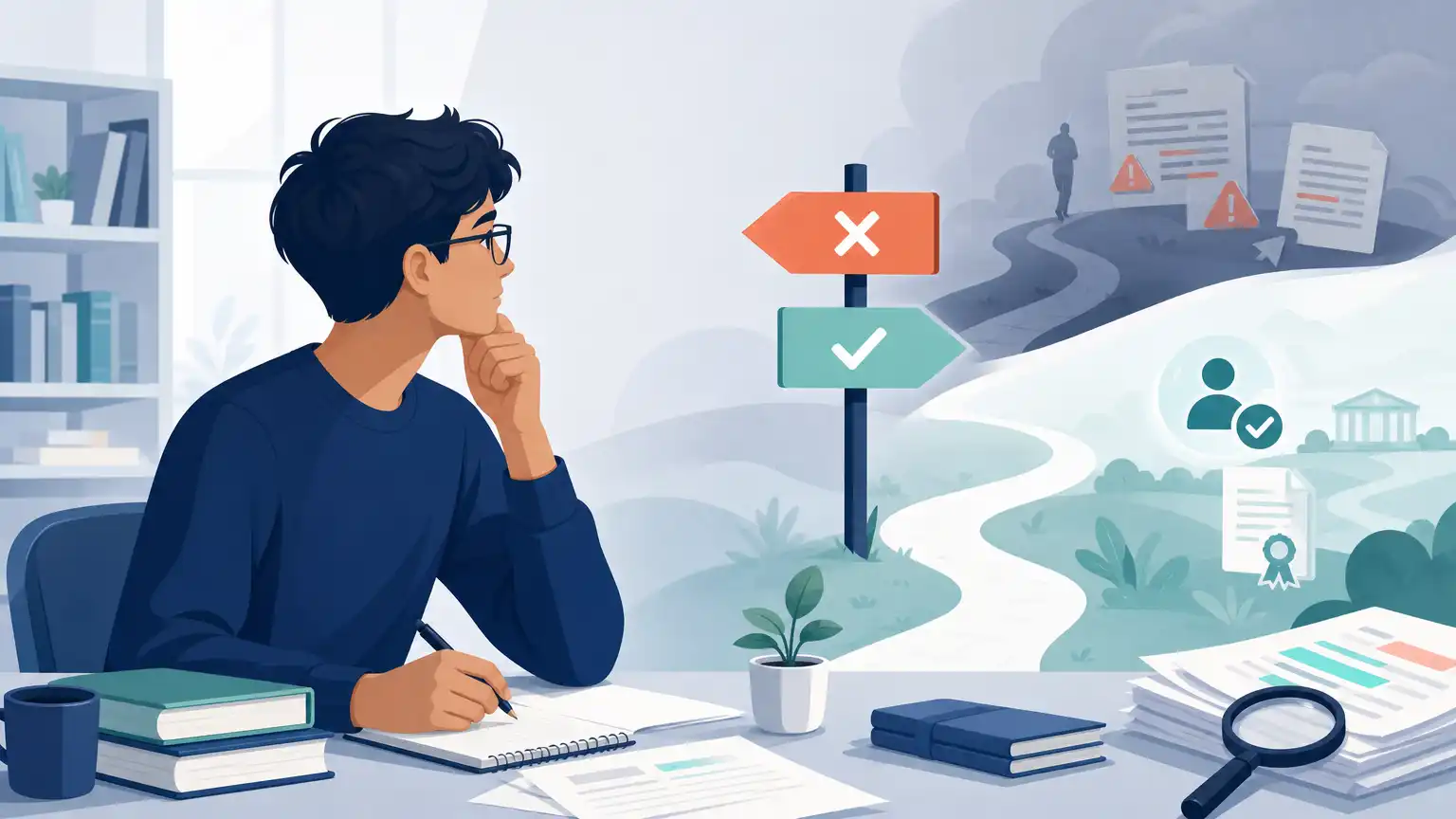
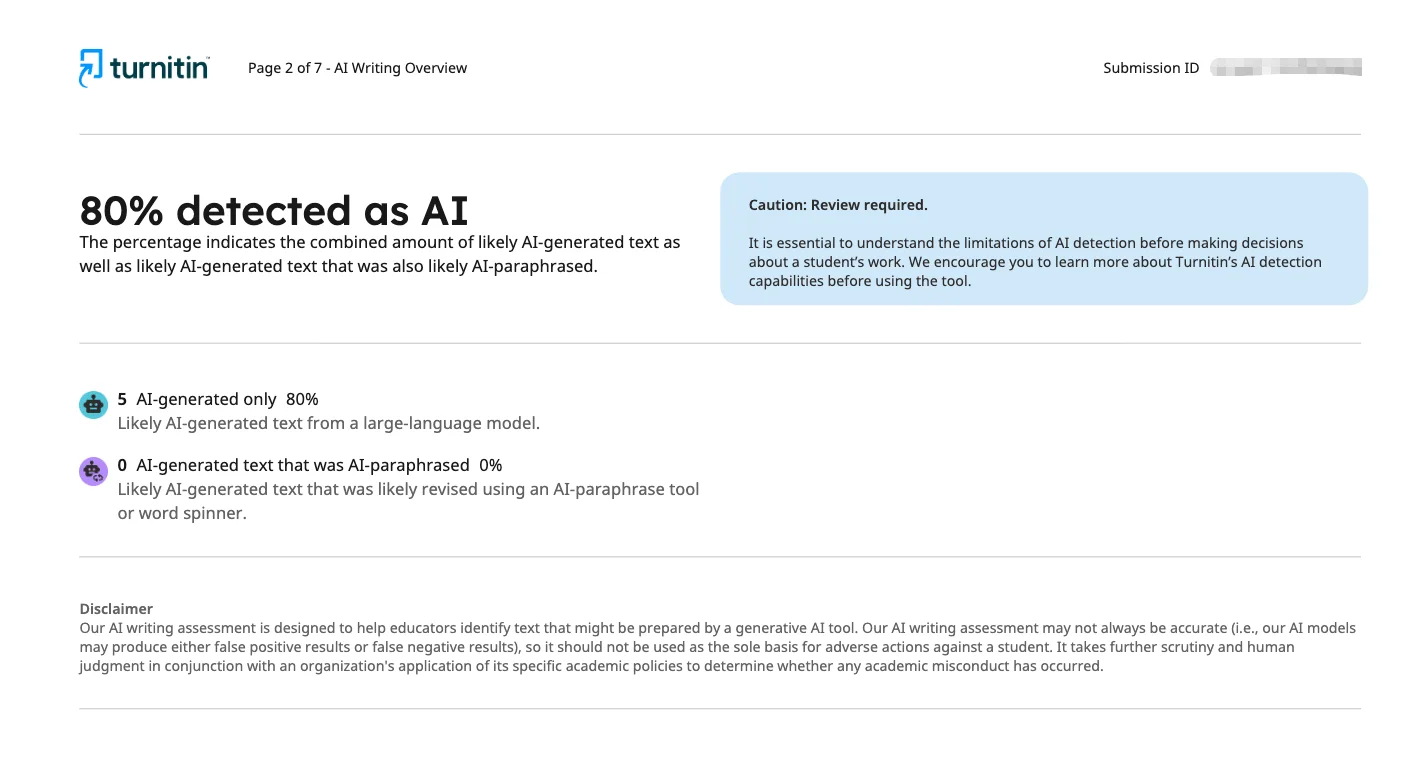
Limits to Turnitin report accuracy also matter. Its guidance says a high similarity score does not automatically prove plagiarism, and a low score does not automatically prove everything is fine. The same caution applies to AI writing indicators. Turnitin says its AI writing capability may misidentify human-written, AI-generated, and AI-paraphrased text, and should not be the sole basis for adverse action. That is exactly why students should focus on producing a defensible draft they can explain. If your instructor asks about a passage, you want notes, sources, and revision choices you can walk through calmly.
In other words, the strongest protection is not evasion. It is a paper built from your own reading, your own structure, and transparent source use.
How to Lower Similarity Ethically
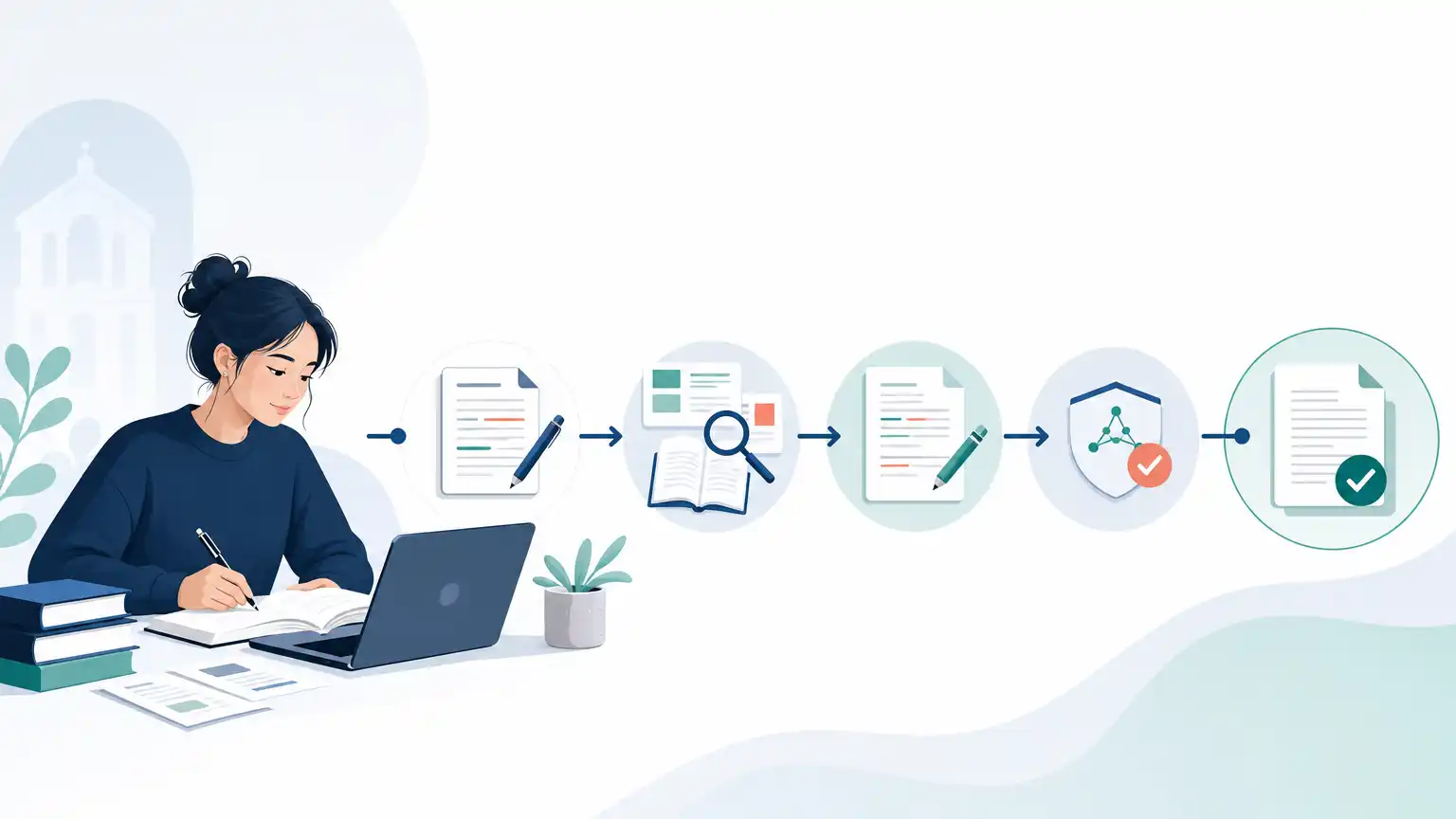
Lowering similarity in an ethical way starts with understanding Turnitin’s plagiarism checking and identifying why matches appear. Some matches are harmless, such as titles, assignment directions, or properly quoted material. Others point to revision needs, especially when whole strings of wording stay close to the source. Instead of swapping a few words, step away from the source, explain the idea in your own sentence structure, and then check whether the meaning is still accurate.
Problem in Draft | Safer Revision Move | What to Check Before Submitting |
|---|---|---|
Long copied phrase from a source | Quote it exactly or fully rewrite from memory after understanding it | Page number, signal phrase, and quotation marks if exact wording remains |
Patchwritten paragraph | Rebuild the paragraph around your own claim and organization | Whether the sentence structure still mirrors the source too closely |
Too many quotations | Keep only the most necessary quoted lines | Balance between your analysis and source language |
Reused material from an older paper | Ask instructor policy or cite yourself if allowed | Whether self-reuse is permitted in that course |
Also submit clean files. Turnitin notes that unreadable PDFs, non-selectable text, and embedded extras may fail to process correctly. Use one document only, since standard assignments do not accept multiple files or zip uploads. Good formatting will not lower similarity by itself, but it reduces avoidable submission problems.
How to Improve Ai-assisted Writing Responsibly
If you used AI at any stage, your safest next step is not to disguise it. Your safest next step is to revise until the paper reflects your judgment, course knowledge, and voice. Turnitin says its AI writing reporting is designed to help educators identify text that might be prepared by generative AI tools, chatbots, word spinners, and bypasser tools. It also describes categories for AI-generated text and AI-generated text that was AI-paraphrased. In that context, using a spinner or paraphraser to make text look different is especially risky and does not improve the underlying work.
Responsible revision means checking whether each paragraph does real academic work. Add specific evidence from your course materials, replace vague claims with concrete analysis, and cut inflated transitions that say little. Read the draft aloud. If a sentence sounds polished but empty, rewrite it in simpler language you would actually use in class discussion.
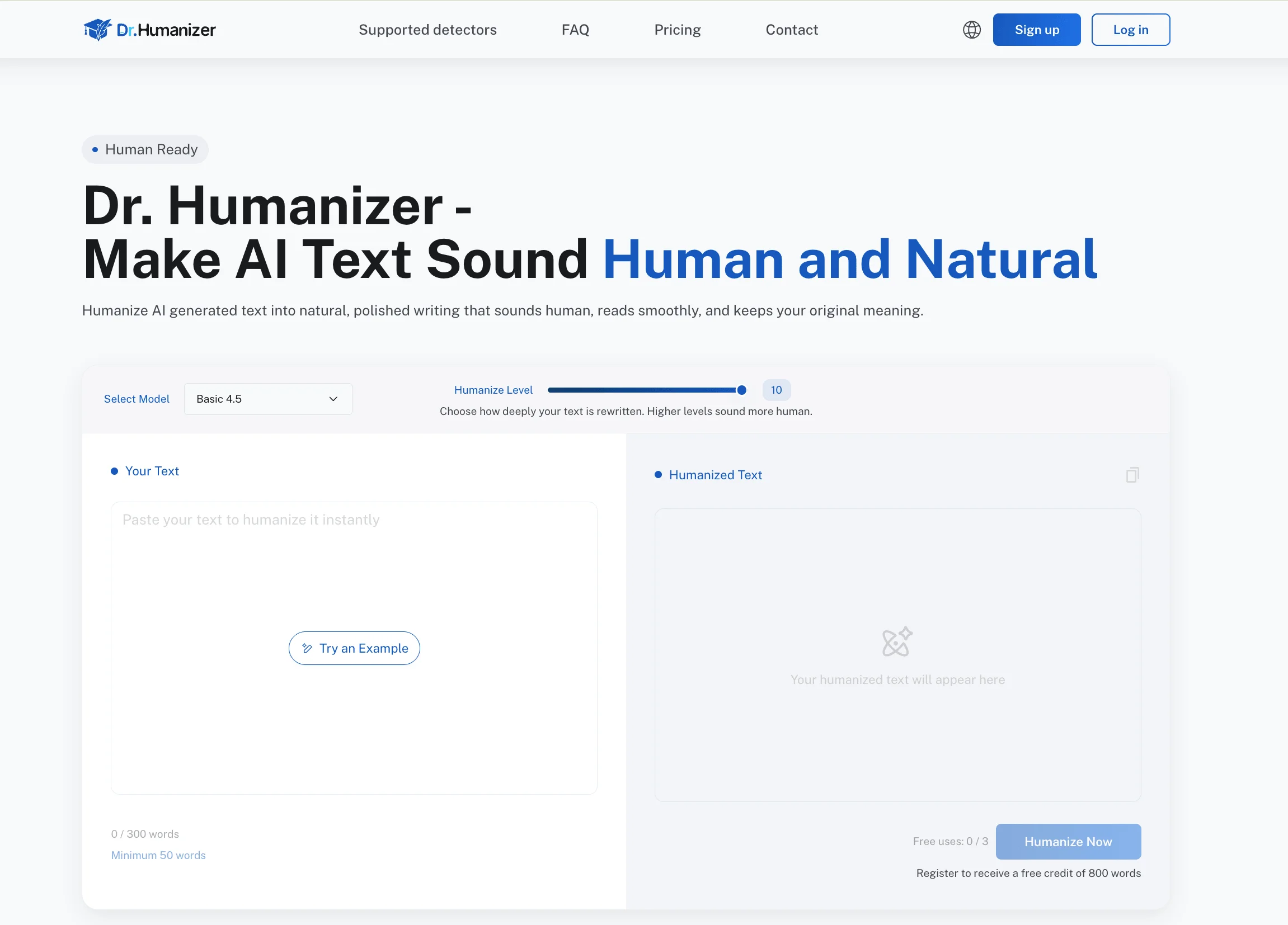
If you want help smoothing robotic phrasing after you have done your own thinking, one careful option is Dr. Humanizer, but only as a revision aid for clarity and natural tone, not as a way to hide authorship. The final paper still needs to be yours.
What to Do If Your Report Looks Risky
Start by separating the two common concerns: similarity and AI writing indicators. Turnitin says the AI percentage is different from and independent of the Similarity score, so do not assume one explains the other. A paper with low similarity might still raise questions about generic AI-shaped prose, while a paper with higher similarity may simply include quotations, references, or expected terminology.
Next, check timing before panicking. Turnitin’s report processing times can be 10 to 15 minutes for uploaded files, while overwritten or resubmitted papers may take up to 24 hours for a new Similarity Report. It also notes that the first three resubmission attempts may generate reports immediately, but after three attempts a 24-hour wait applies. If you revise and resubmit too late, you may not see updated results before the deadline.
Finally, review the practical details below.
Open the matched passages and see whether they are quotes, common phrases, or real overreliance on source wording.
Check citations and quotation marks line by line.
Rewrite any paragraph you cannot explain without looking at the source.
Confirm the file is readable and properly formatted.
If your class uses a direct submission link, remember Turnitin says that can be done without creating a user account.
If something still seems off, ask your instructor or writing center early rather than guessing.
Key Takeaways for Safer Revision
Do not chase tricks. Focus on making the paper genuinely original in wording, structure, and analysis.
Remember that Turnitin similarity does not automatically equal plagiarism, and low similarity does not automatically clear a draft.
Treat AI indicators carefully. Turnitin says its model can make mistakes and should not be the sole basis for adverse action.
Revise from understanding, not from a thesaurus or spinner. Turnitin specifically discusses AI-paraphrased text and names QuillBot as an example in that context.
Use exact quotations only when necessary, and cite them completely.
Leave enough time for processing. New uploads may take minutes, but resubmissions can take up to 24 hours.
Submit one clean, readable file in the required format.
Keep notes, sources, and drafts so you can explain your writing process if questions come up.
Students usually feel less anxious once they stop treating the report as a game to beat and start treating it as feedback about what needs clearer authorship.
Frequently Asked Questions
Can Turnitin Detect Paraphrased Text?
It can flag similarity patterns and also has AI writing reporting that Turnitin says may identify text prepared by generative AI tools and AI-paraphrasing tools. But no report should be treated as perfect proof by itself. The safer standard is whether your paraphrase truly reflects your understanding and includes proper citation.
Does a Low Similarity Score Mean My Paper Is Safe?
No. Turnitin tells students that a low score does not automatically prove no plagiarism. A paper can still have missing citations, misleading paraphrases, or unsupported claims. Read the draft like an instructor would, not just like a percentage watcher would.
What If My Similarity Report Does Not Update Right Away?
Turnitin says many uploads process within 10 to 15 minutes, but overwritten or resubmitted files may take up to 24 hours. After three resubmission attempts, that longer wait can apply. Build revision time into your schedule so you are not depending on instant updates.
Are the AI Score and Similarity Score the Same Thing?
No. Turnitin states that the AI percentage is separate from and independent of the Similarity score. Similarity focuses on matched text, while the AI writing report concerns text that may have been prepared by AI systems or AI-paraphrasing tools.
Should I Convert My Paper to a Pdf to Avoid Problems?
Only if the PDF is clean and selectable. Turnitin warns that PDFs with non-selectable text, unreadable formatting, or embedded extra files may be rejected or fail to process correctly. Use the format your instructor requests and make sure the text is readable.
Conclusion on How to Bypass Turnitin
Students searching for how to bypass turnitin usually need something more useful than a shortcut: a reliable way to submit work they can stand behind. The best path is to revise ethically, separate similarity concerns from AI concerns, and fix the actual causes of a risky-looking report. Quote when exact language matters, paraphrase from understanding, cite consistently, and leave enough time for resubmissions and report delays.
That approach protects more than a score. It protects your credibility with the instructor and gives you a paper you can explain sentence by sentence. When the goal shifts away from beating the system and toward producing honest, well-supported writing, Turnitin becomes much easier to handle.