

Your sociology draft includes a ChatGPT-assisted paragraph, and now you are wondering what the Turnitin report could show before class submission.
That worry gets bigger when the syllabus allows limited AI help but expects your final wording, sources, and analysis to be your own.
The next step is to compare your AI use with the syllabus before you interpret the report.
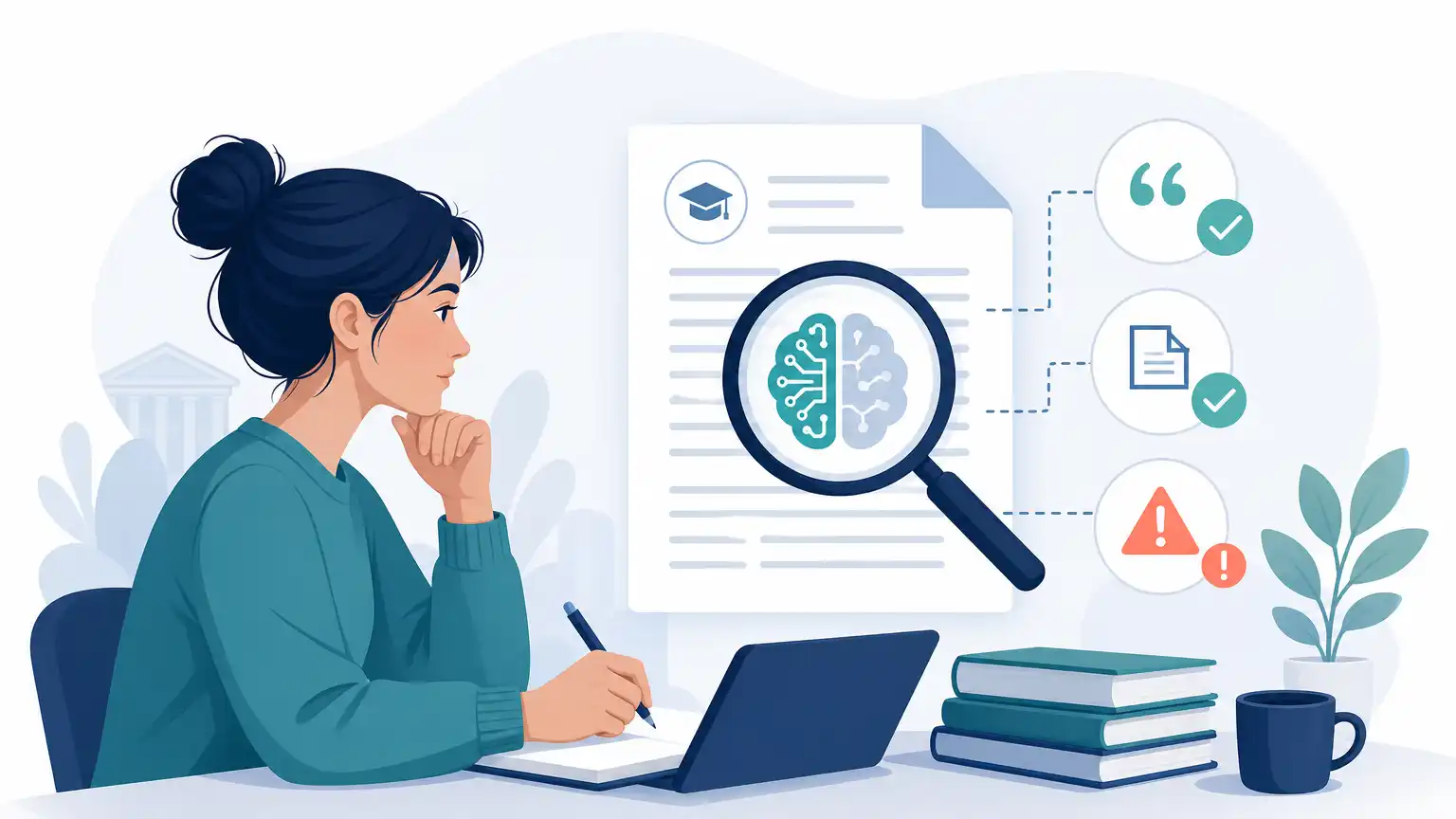
Quick Answer to Whether Turnitin Can Detect ChatGPT
Turnitin offers an AI Writing Report that is designed to help educators identify text that might have been prepared by generative AI tools, chatbots, word spinners, and bypasser tools. So yes, writing produced by ChatGPT may be flagged in some situations. That does not mean every AI-assisted sentence will be identified, and it does not mean a flagged section proves misconduct by itself.
One of the biggest student misunderstandings is treating every Turnitin number as the same kind of result. Turnitin states that the AI percentage is different from and independent of the Similarity score. A paper can have low similarity and still contain text that the AI Writing Report marks for review. A paper can also have a noticeable similarity score for ordinary reasons such as quotations, references, templates, or repeated course language.
The safest takeaway is practical rather than technical. If ChatGPT helped shape a paragraph, assume an instructor may be able to review that passage through Turnitin's AI tools. Then revise until the paragraph reflects your own reasoning, course evidence, and citation choices rather than polished but generic AI prose.
How ChatGPT Text Fits Turnitin's AI Writing Review
Turnitin explains that its AI review includes two interactive categories: AI-generated only and AI-generated text that was AI-paraphrased. That matters because students sometimes think a lightly rewritten chatbot paragraph becomes invisible once a few words are changed. Turnitin's model description suggests the review is broader than direct copy-and-paste output.
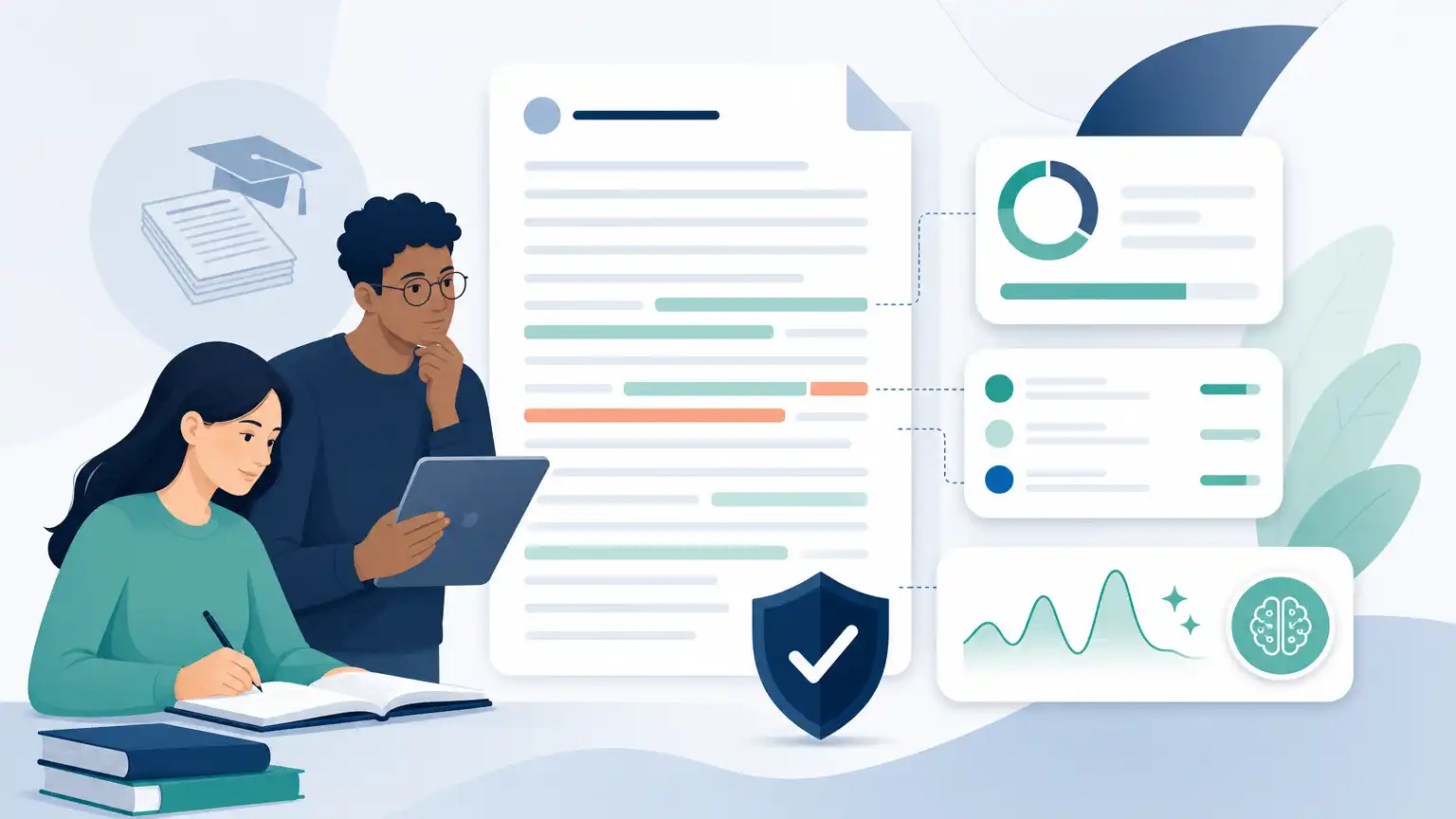
In its documentation, Turnitin specifically describes text that may have been prepared by generative AI tools, chatbots, word spinners, and bypasser tools. It also discusses Turnitin detection of QuillBot in the AI-paraphrasing context. For students, the point is simple: a second tool that rewrites AI-generated prose does not automatically turn it into clearly human-authored writing.
Turnitin also says the AI Writing tab in the new Similarity Report contains the overall percentage of text detected as AI. That percentage belongs to a separate review area, not the source-matching side of the platform. An instructor still has to interpret the highlighted passages in context, including the assignment type, the student's usual writing style, and the quality of source support.
Report Area | What It Measures | What It Cannot Do Alone |
|---|---|---|
Similarity Score | Matched text compared with existing sources | It cannot decide plagiarism by itself |
AI Writing Report | Text that may have been prepared by AI or AI-paraphrasing tools | It cannot serve as the sole basis for adverse action |
That distinction is why students should read a report carefully instead of reacting to one number.
Why Editing and Citation Still Matter
Even when a class allows limited AI support for brainstorming or outlining, editing still matters because your instructor is grading your thinking. ChatGPT can produce smooth sentences quickly, but smooth is not the same as accurate, specific, or course-aware. A paragraph may sound confident while staying vague about evidence, flattening your voice, or overstating what a source actually says.
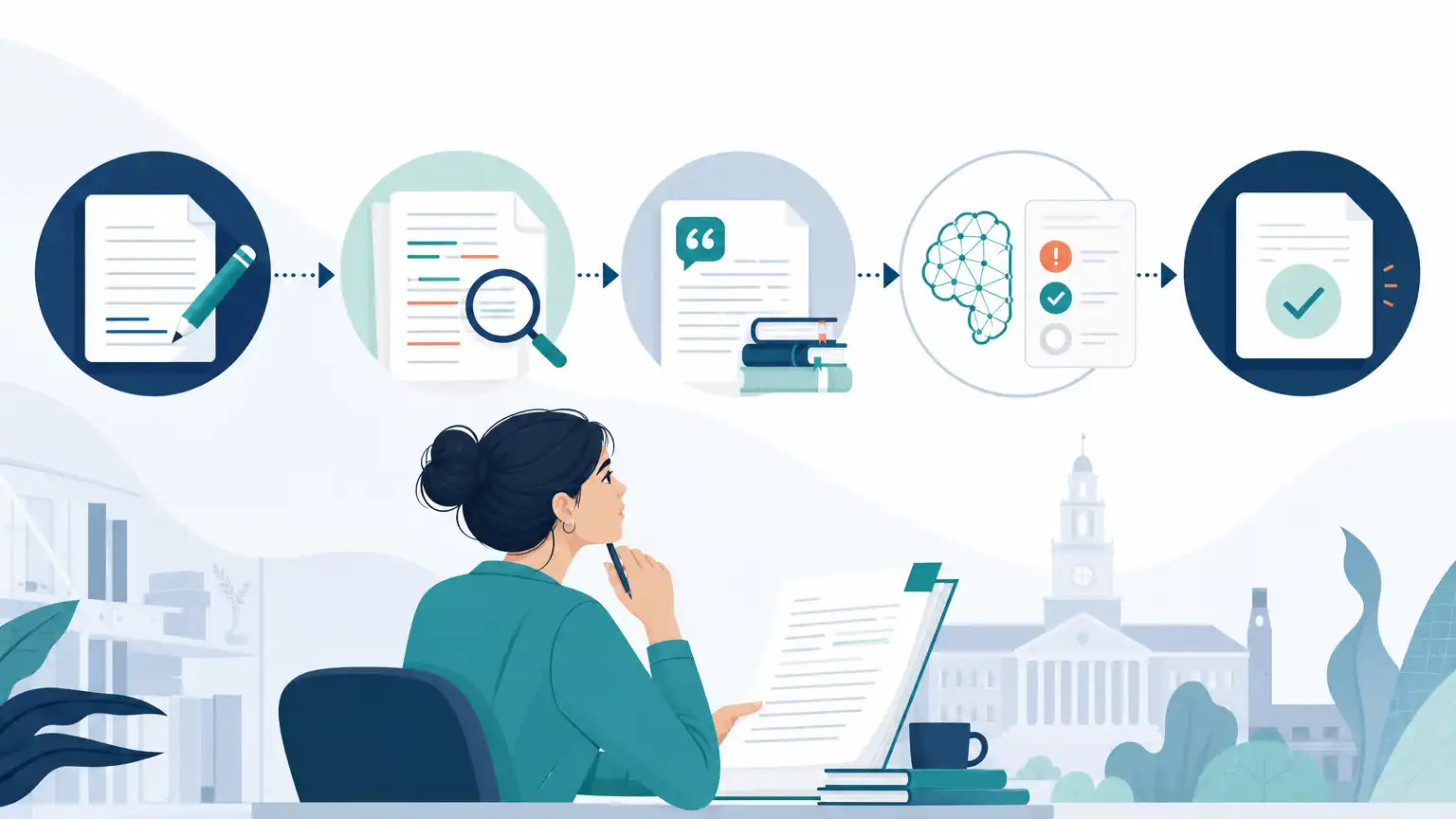
Citation matters for a separate reason. Turnitin explains that its plagiarism review tool identifies text similarity that instructors must interpret; it does not detect plagiarism as a final judgment. If your paragraph uses facts, paraphrases, or ideas from readings, lectures, or outside sources, those still need clear attribution. AI-generated wording can blur where information came from, which creates a problem even when the phrasing itself seems original.
A useful revision pass asks three questions. First, is this claim something you personally understand well enough to explain in office hours? Second, can you point to a real source for each factual statement? Third, does the paragraph sound like your actual academic voice rather than a generic summary? If the answer is no, revise the passage with course terms, concrete evidence, and citations your instructor can verify.
What Turnitin AI Results Can Miss or Misread
Students often want a detector to settle everything, but Turnitin directly warns against that kind of certainty. Its guidance on AI detection reliability says the AI model may misidentify human-written, AI-generated, and AI-paraphrased text and should not be the sole basis for adverse action. In plain terms, a flagged section is a reason to review the writing more closely, not a complete judgment about authorship.
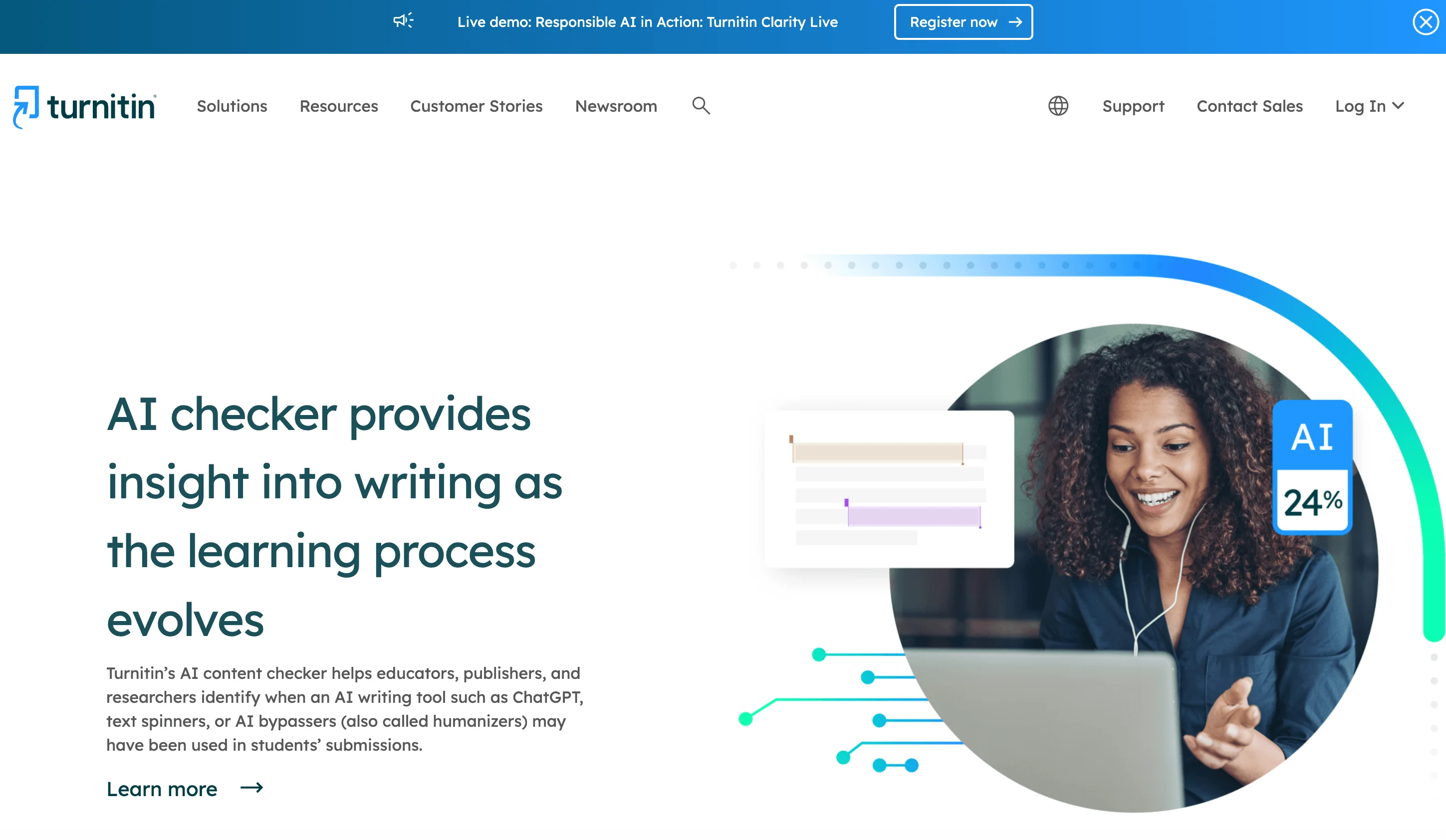
Turnitin also says scores below 20% are shown with an asterisk in some views because those results are less reliable and false positives are more likely. That detail matters if a report shows only a small amount of AI-indicated text. A short formal paragraph, common transition phrases, or assignment language repeated across many student papers can make interpretation harder.
There are also practical limits that have nothing to do with writing quality. Turnitin recommends using a consistent file format across students when AI writing detection is used for an assignment. It also warns that PDFs with non-selectable text, embedded extra files, or unreadable formatting may be rejected or fail to process correctly. If a report appears incomplete, delayed, or odd, file handling may be part of the issue.
For timing, Turnitin says uploaded files can take up to 10 to 15 minutes to process for a Similarity Report, while overwritten or resubmitted papers may take up to 24 hours. After three resubmission attempts, that longer wait can apply, so last-minute checking is risky.
How to Revise ChatGPT-assisted Drafts Responsibly
If ChatGPT helped you produce a paragraph and your class policy allows some level of assistance, the responsible goal is not to hide that help. The better goal is to make sure the final draft is accountable, accurate, and genuinely yours. Ethical revision means replacing weak AI-style generalities with analysis you can support and explain.
Start by putting the assignment prompt next to the course AI policy. Was AI allowed for brainstorming, outlining, grammar help, or not at all? Then compare that rule to what you actually did. If the paragraph includes claims you cannot explain in your own words, rewrite them. If it mentions facts without a source trail, either add a verifiable citation or remove the claim.
Next, rebuild the paragraph from your notes, readings, and class materials. Keep only ideas you can support with approved evidence. Read the revised version aloud to catch robotic rhythm or vague transitions. Some students use tools such as Dr. Humanizer to reduce stiff phrasing, but that should come after you confirm the content is accurate and policy-compliant.
Review the syllabus and assignment instructions for AI rules.
Replace unsupported claims with source-based analysis.
Add citations for borrowed ideas, data, and quotations.
Rewrite generic wording in your own class-specific voice.
Leave enough time for Turnitin processing before the deadline.
Ask your instructor if the policy is unclear rather than guessing.
Key Takeaways for ChatGPT and Turnitin
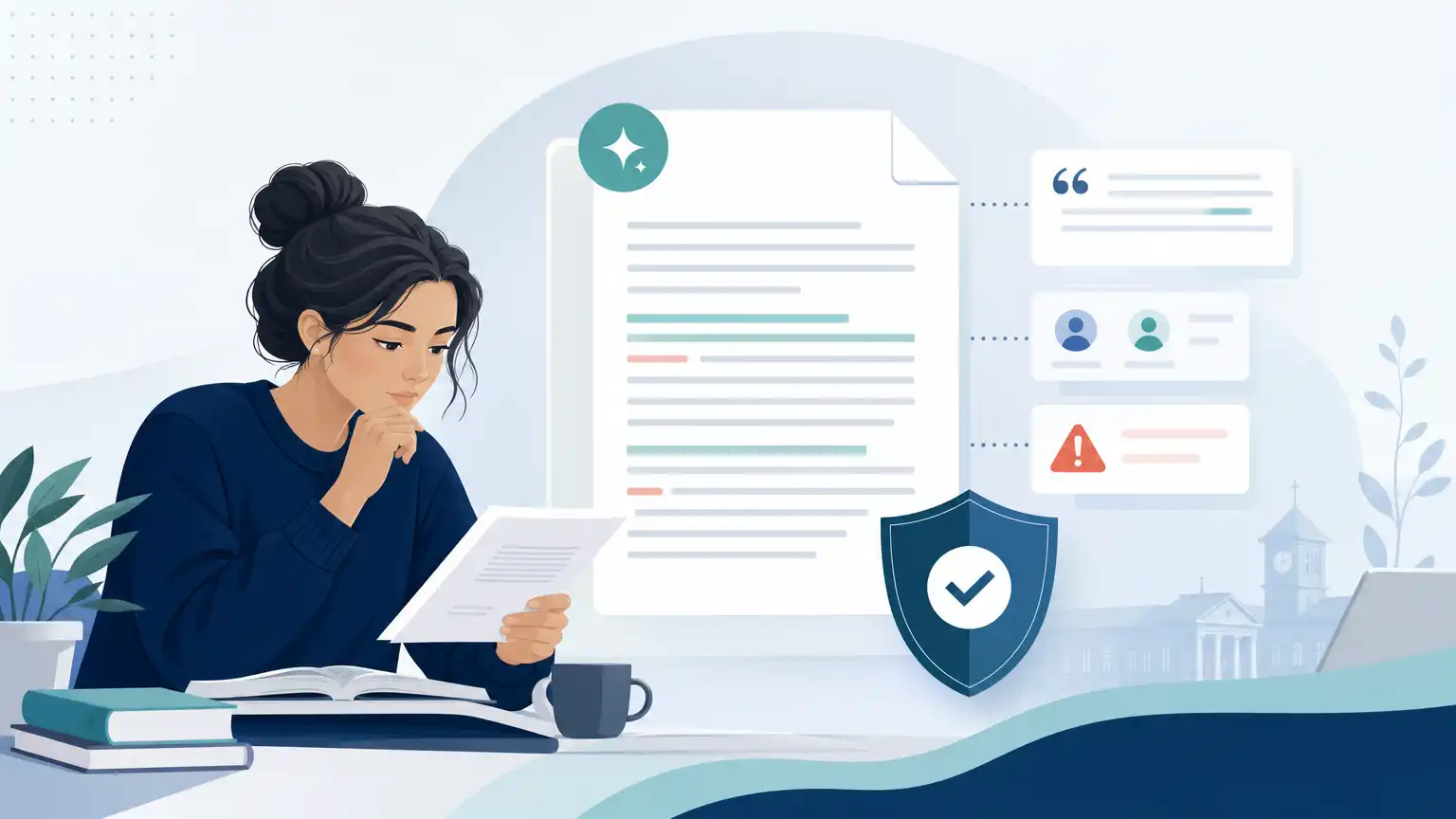
Turnitin can review writing that may have been prepared by generative AI tools, including ChatGPT.
The AI Writing Report is separate from the Similarity score, so those numbers should never be treated as interchangeable.
Turnitin says its AI model may misidentify human-written, AI-generated, and AI-paraphrased text.
Scores below 20% may be less reliable in some views and can carry a higher false-positive risk.
AI-paraphrased text can still fall within Turnitin's review categories.
Editing and citation matter because polished wording does not replace source accuracy or original analysis.
File format problems and resubmission delays can affect report processing.
The strongest protection is a draft you can explain, support, and stand behind.
Frequently Asked Questions
Can Turnitin Detect Paraphrased ChatGPT Text?
It may identify some writing as AI-generated text that was AI-paraphrased. Turnitin describes that category in its AI writing detection model, so a rewritten chatbot paragraph is not automatically outside review. The result still needs human interpretation.
Is a Turnitin AI Score the Same as the Similarity Score?
No. Turnitin says the AI percentage is different from and independent of the Similarity score. Similarity concerns matched text against sources, while the AI Writing Report concerns text that may have been prepared by AI-related tools.
What If My Report Shows a Small AI Percentage?
Do not panic, but do read the result carefully. Turnitin says scores below 20% are shown with an asterisk in some views because those results are less reliable and false positives are more likely. A small percentage should lead to closer review, not automatic judgments.
Can a Low Similarity Score Prove My Paper Was Fully Human-written?
No. Turnitin's student guidance says a low similarity score does not automatically prove no plagiarism, just as a high score does not automatically prove plagiarism. Source matching and AI review are different questions, and neither one settles authorship by itself.
How Long Does It Take for Turnitin to Show a Report?
Turnitin says uploaded files can take up to 10 to 15 minutes to process and generate a Similarity Report. Overwritten or resubmitted papers may take up to 24 hours, especially after multiple attempts. That delay is worth planning for before a deadline.
Conclusion on Whether Turnitin Can Detect ChatGPT
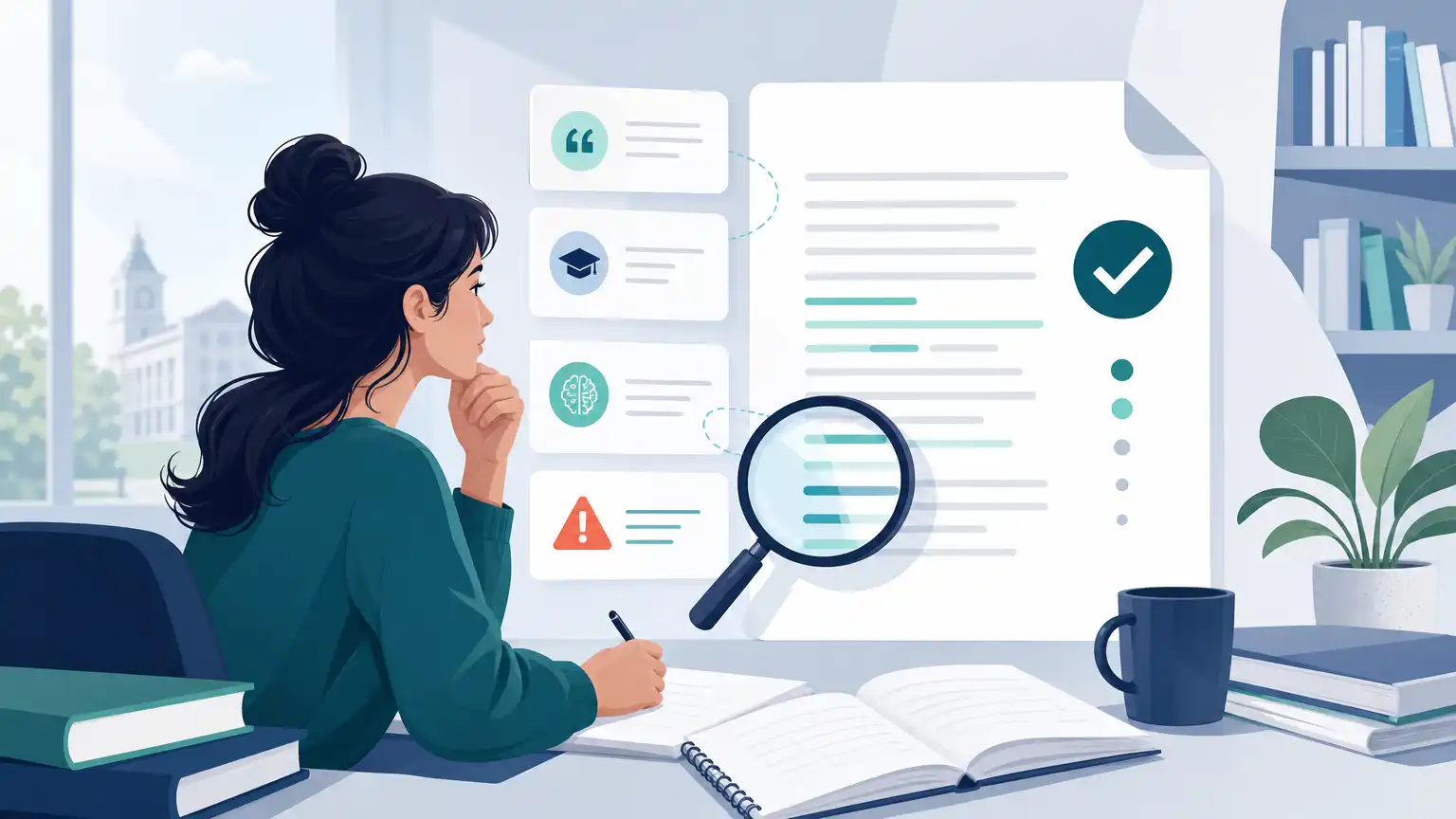
For most students, the practical answer is that ChatGPT-assisted writing may be visible within Turnitin's AI review, but no report works like a perfect lie detector. If you are still asking whether Turnitin can detect ChatGPT in your paper, the better question is whether the paragraph follows your class policy and reflects work you can honestly explain.
Before you submit, check that every major claim is one you understand, every factual point comes from a real source, and every citation matches material you actually used. Turnitin results can help instructors review writing, but your strongest position comes from a draft that sounds like you, uses evidence carefully, and meets the rules of the course.