

An assignment deadline is close, and a few pasted source sentences are still sitting in your draft notes.
Now you are wondering whether that submission could trigger a similarity report match before your instructor even reads it.
The useful question is not just detection, but whether the copied text is quoted, cited, and explained.
Quick Answer to Can Turnitin Detect Copy and Paste
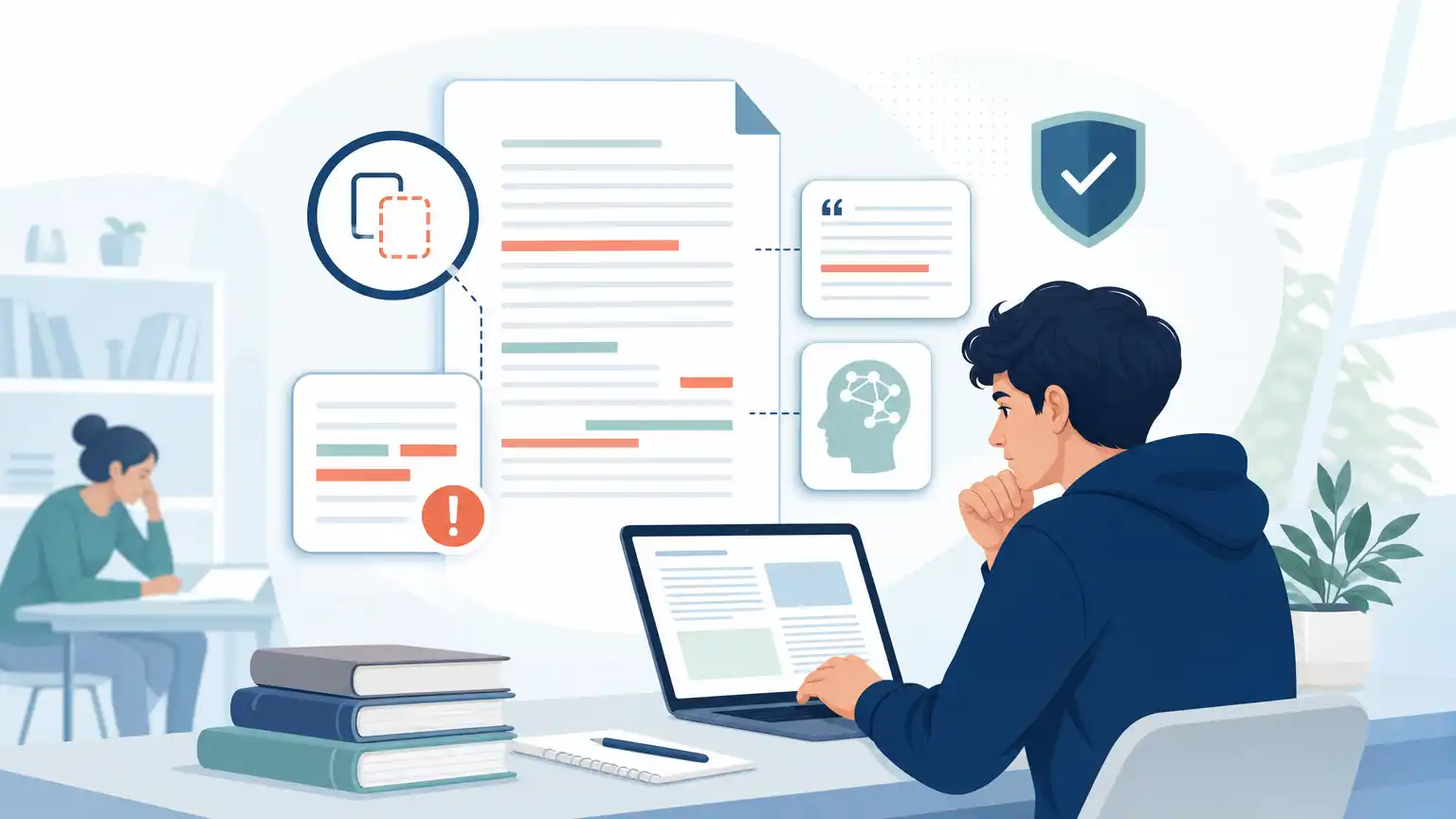
Yes, pasted text can show up in Turnitin when it matches material in the databases Turnitin checks, such as online content, publications, or student paper collections available to the institution. The important detail is that Turnitin does not claim to detect the physical act of pressing copy and paste. Instead, Turnitin’s plagiarism screening identifies text similarity, which an instructor then interprets. In other words, the issue is not the keyboard shortcut. The issue is whether the wording in your paper closely matches an existing source.
That distinction matters for students. A pasted sentence with quotation marks and a correct citation may still appear as a match, but the context looks different from an uncited block copied into a paragraph as if it were original writing. Turnitin also tells students that a high similarity score does not automatically prove plagiarism, and a low score does not automatically prove everything is fine. Instructors review the matched text, the source, and how you used it before making judgments.
This is also why a classmate's shortcut answer can be misleading. Saying Turnitin “catches copy and paste” is only partly true. What it really catches is overlap between your wording and existing material. If the pasted wording is common, brief, or formatted as a proper quotation, the report may look very different from a paragraph copied directly from a source and dropped into your draft without attribution.
What Copy and Paste Looks Like in a Similarity Report

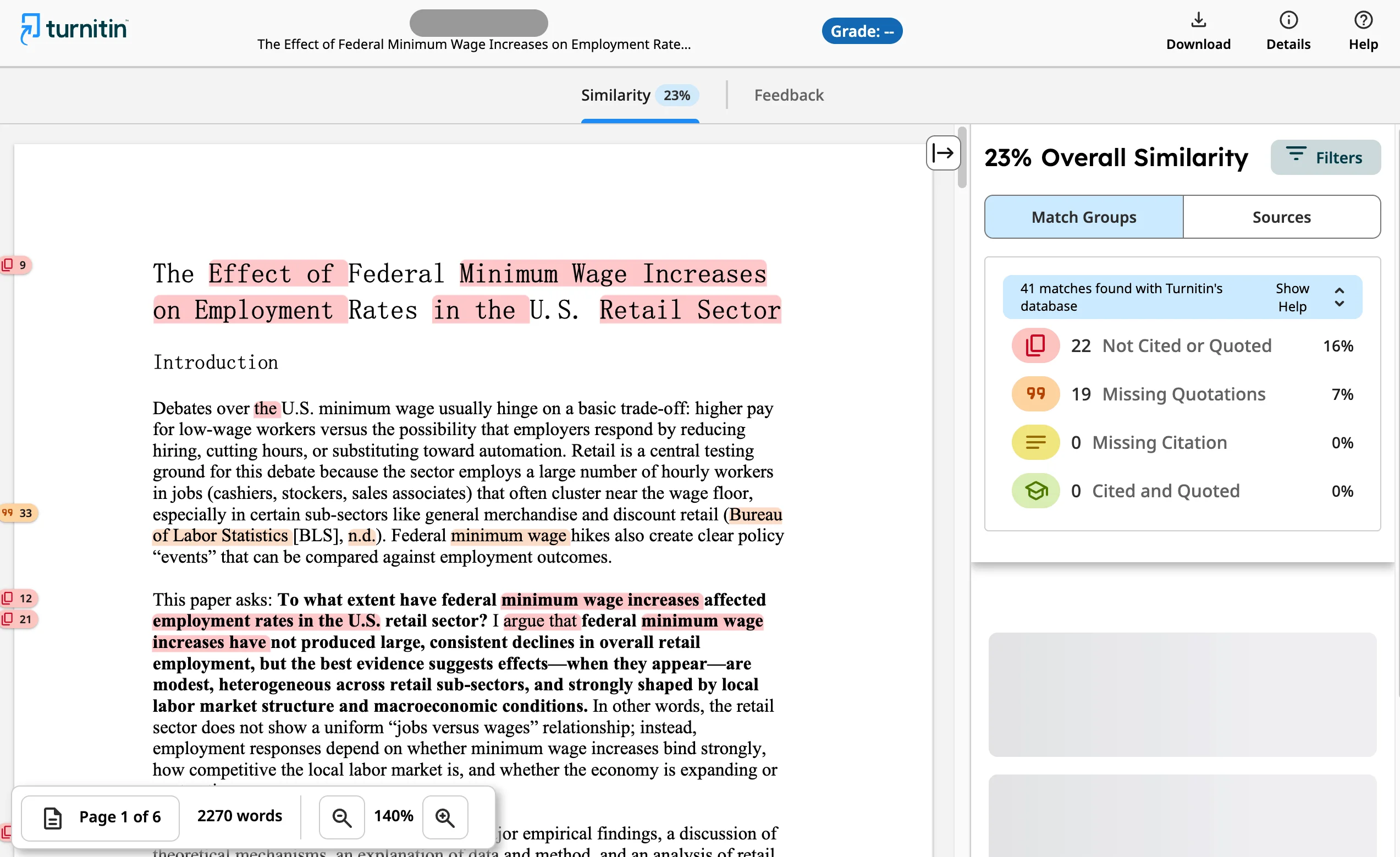
When copied wording appears in a Similarity Report, it often shows up as highlighted matched text connected to a source or group of sources. If you pasted several consecutive sentences from a website, journal article, or another paper, the report may mark that passage and connect it to the closest matching source. A short common phrase may not mean much, but a longer unique passage usually draws more attention.
Turnitin explains that the Similarity score is only a starting point. A report can include harmless matches such as assignment instructions, a title page format, common terminology, or properly quoted material. Still, copied passages without quotation marks tend to look more serious because the wording appears borrowed while the paper presents it as your own prose.
What You Pasted | How It May Appear | Why It Matters |
|---|---|---|
One sentence from a website | Small highlighted match to one source | May be minor, but still needs citation or revision |
Several lines copied directly | Larger block match with clear source overlap | Looks more like unattributed copying |
Quoted passage with citation | Still may match | Context can show responsible source use |
Patchwork wording from multiple pages | Several smaller matches across sources | Can suggest overreliance on source language |
After revision, Turnitin’s report turnaround times can reach 24 hours for overwritten or resubmitted papers, although some early resubmissions can process sooner. Uploaded files can also take around 10 to 15 minutes to process in the first place, so a delayed report does not automatically mean anything unusual happened.
Why Proper Quotes and Citations Still Matter
Many first-year students assume that adding a citation alone solves every copy-and-paste problem. It does not. If you use someone else’s exact words, you usually need quotation marks or block-quote formatting, depending on the style and length, plus a citation. Without that signal, the reader sees borrowed language presented as original writing, even if a source appears in parentheses or in the works cited list.
This is why proper citation practice matters even when a similarity match is expected. Turnitin may still highlight quoted text, but an instructor can usually tell the difference between documented evidence and unattributed copying by reading the passage in context. That is also why chasing a low percentage is not the right goal. A paper with legitimate quotations can have visible matches, while a paper with poor paraphrasing can look cleaner numerically but still raise concerns.
If you used AI tools to help draft or rephrase text, remember that Turnitin says its AI Writing Report is separate from the Similarity score. Turnitin also says limitations in AI detector accuracy can lead to text misidentification and that AI results should not be the sole basis for adverse action. The AI Writing tab contains an overall percentage in the new Similarity Report, but that percentage is independent from similarity matching. So a copied paragraph and an AI-related concern are different issues, even if both appear in the same submission workflow.
Copying from Your Own Past Work
Students often worry about copying from websites, but self-reuse can matter too. If you paste paragraphs from an old essay, discussion post, lab reflection, or dual-enrollment paper, that wording may still match material already stored or otherwise available to the system. Even though you wrote it, an instructor may view undisclosed reuse as a problem if the assignment expects fresh work for the current class.
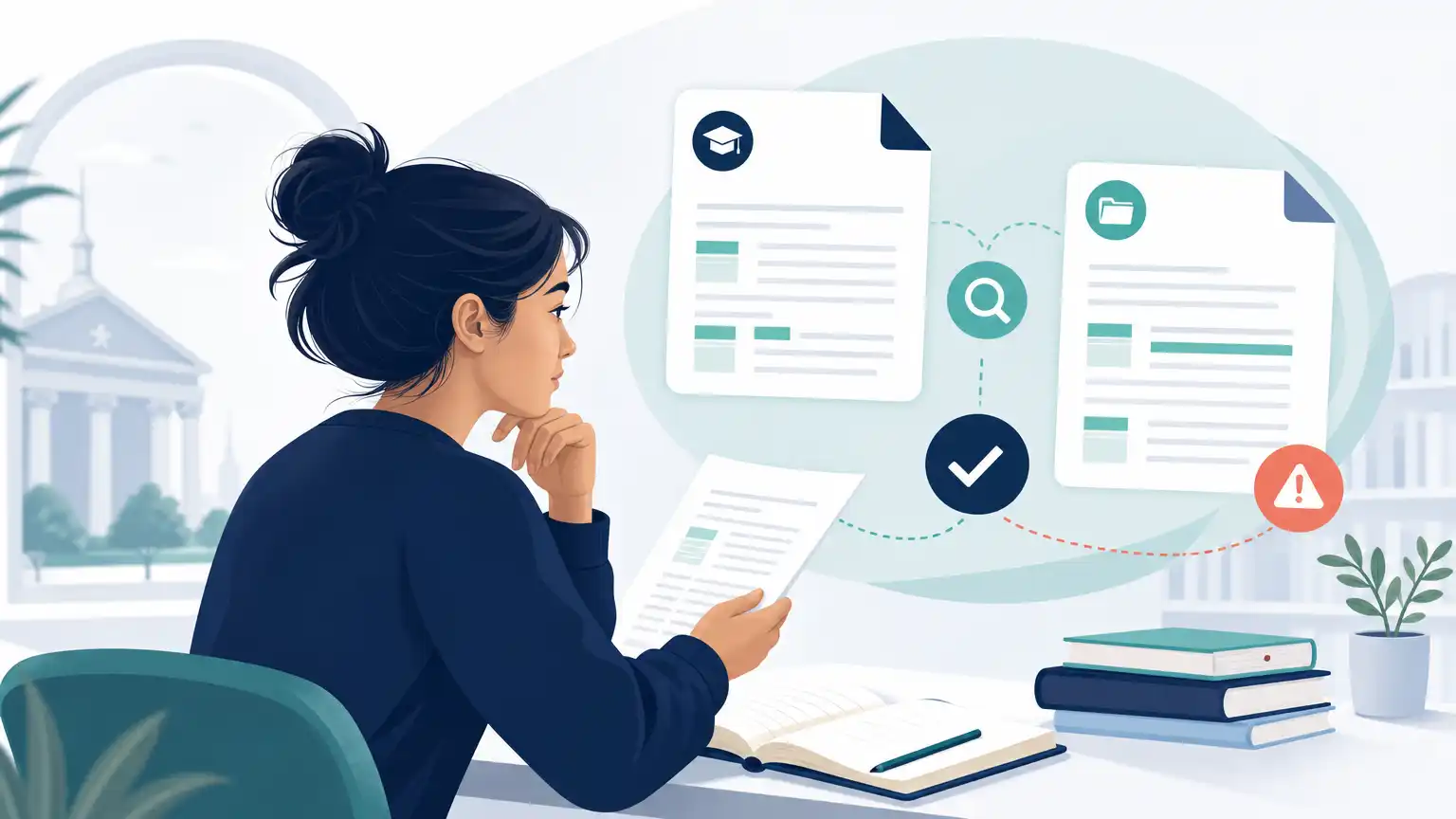
The key question is not ownership alone. It is whether your course allows you to recycle prior writing. Some instructors welcome building on earlier research with permission, while others want a new paper written for that assignment. If you are unsure, ask before submitting. A quick email is much safer than assuming self-copying is automatically acceptable.
Self-reuse also creates a practical issue: old phrasing can keep you from developing a stronger argument for your current course. Instead of pasting whole sections, try using your earlier work as a reference point. Pull out your thesis, evidence, or notes, then rewrite the material to match the new prompt, class goals, and source requirements. That approach is usually better for learning and easier to explain if your instructor asks about overlap.
How to Revise Pasted Source Material Ethically
If you already pasted source text into a draft while researching, do not panic. What matters now is revising responsibly before final submission. Start by clearly marking every borrowed passage in your working draft so you do not accidentally treat copied notes as your own writing. Then decide whether each passage should be quoted, paraphrased, summarized, or removed.
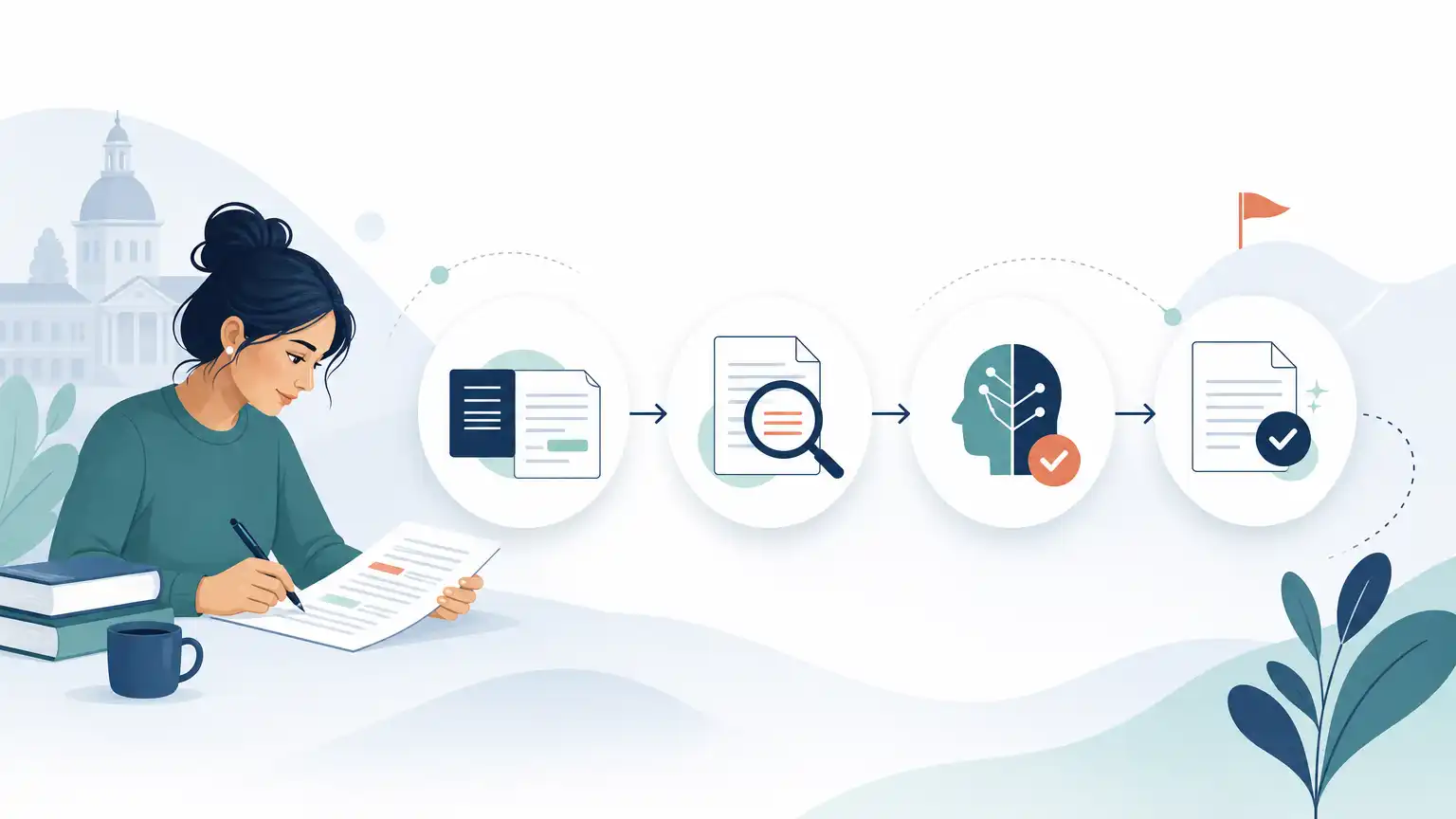
An ethical revision process usually looks like this: read the source carefully, close it, write the idea in your own sentence structure, and then compare your version against the original to make sure you did not keep the source’s distinctive phrasing. After that, add the citation required by your instructor’s style guide. If the exact wording is important, keep a short quotation and cite it properly rather than forcing a fake paraphrase.
Avoid any strategy aimed at disguising copied text or gaming detection. That includes using word spinners or AI paraphrasing tools to mask source language. Turnitin describes AI writing capability as designed to help educators identify text that might be prepared by generative AI tools, chatbots, word spinners, and bypasser tools, and it specifically names QuillBot as an example in its AI-paraphrasing context. The better move is real revision grounded in understanding. If you want a final style polish, use it only to improve clarity after the ideas and wording are honestly your own.
Key Takeaways for Copy-and-paste Risk
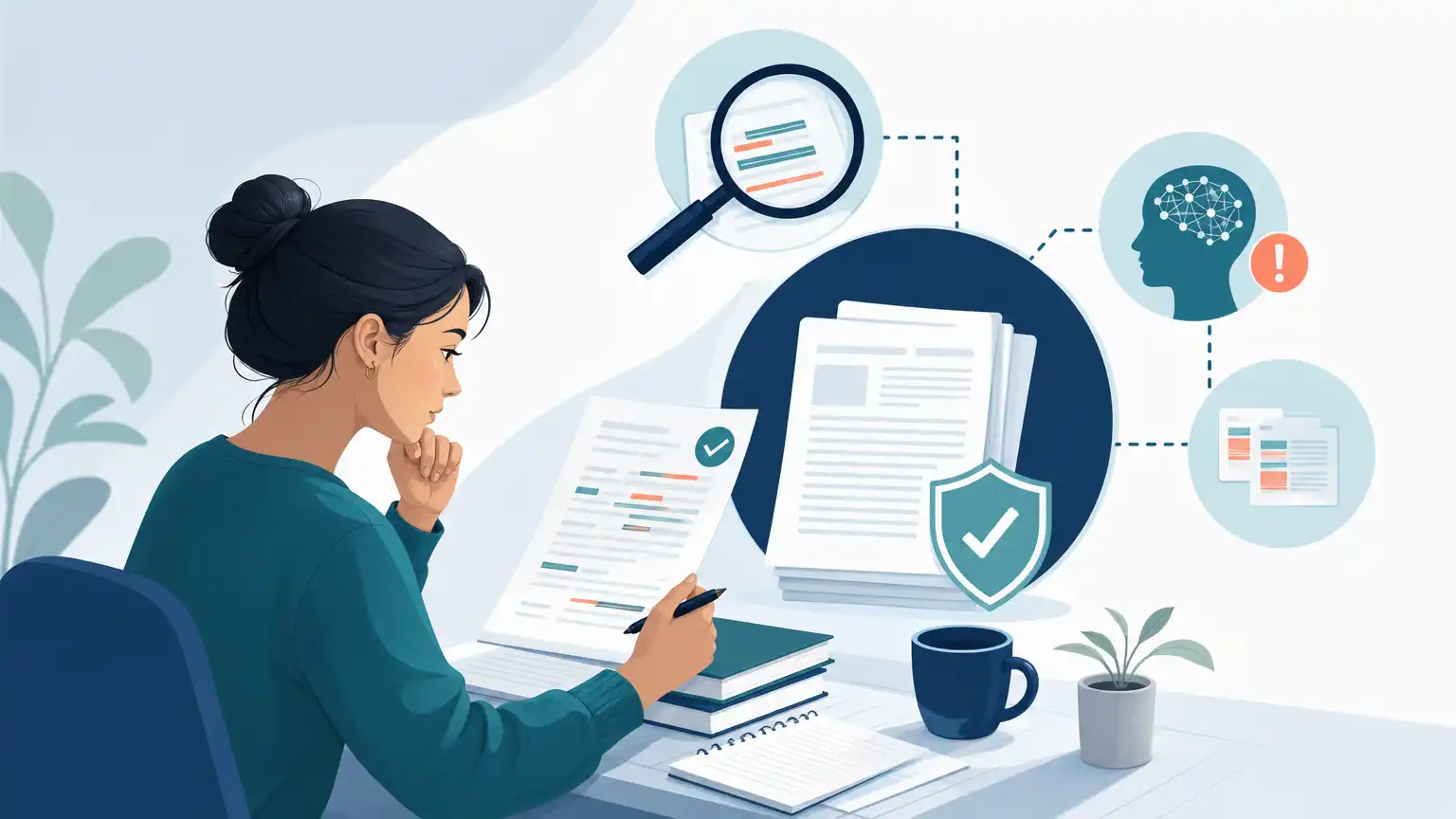
Turnitin does not claim to detect the physical act of copying and pasting; it identifies text similarity that instructors interpret.
Directly pasted wording from websites, articles, or papers can appear as matched text if it overlaps with available sources.
A high similarity score does not automatically prove misconduct, and a low score does not automatically clear a paper.
Quoted and cited passages may still match, but context helps an instructor distinguish documentation from unattributed copying.
Reusing your own earlier writing can also create issues if your class expects original work for the new assignment.
Word spinners, AI paraphrasers, and other masking tactics are risky and do not replace honest revision.
After resubmission, a new report may take time to appear, especially once multiple attempts trigger a longer wait.
Submitting a clean, readable single document matters too, because unreadable formatting or problematic PDFs may fail to process correctly.
Before uploading, review your draft line by line anywhere you borrowed language during note-taking. That small check often catches the exact copy-and-paste mistakes students worry about most. It also helps you separate normal research use from places where borrowed wording is still sitting in the paper.
Frequently Asked Questions
Does Turnitin Know If I Copied Text from a Website?
Not in the sense of tracking your clipboard or browser behavior. What it can do is compare your submitted wording against sources in its available collections and show matching text. If the pasted wording closely overlaps with a webpage in those sources, it may appear in the Similarity Report.
Can Turnitin Detect Paraphrased Text?
Sometimes poor paraphrasing still creates visible similarity, especially when the sentence structure or distinctive wording remains too close to the source. Separate from similarity, Turnitin also describes an AI Writing Report that can include categories for AI-generated text and AI-generated text that was AI-paraphrased. Turnitin says those AI results are independent of the Similarity score and should not be the sole basis for adverse action.
Will Quoted Material Always Raise My Score?
Quoted material can still match and contribute to visible overlap, but that does not automatically mean you did something wrong. Instructors read the context. If the quotation is necessary, clearly marked, and cited correctly, the match may simply reflect normal academic writing.
Can I Check My Paper Repeatedly Until the Score Drops?
That depends on how your instructor set up the assignment, but repeated resubmission is not a reliable fix. Turnitin says some early resubmissions may generate reports immediately, while later attempts can trigger a wait of up to 24 hours. More importantly, score-chasing can distract you from the real task, which is improving source use and clarity.
What If My File Does Not Process Correctly?
Formatting can matter. Turnitin notes that some PDFs with non-selectable text, embedded extra files, or unreadable formatting may be rejected or fail to process correctly. It also says only a single document can be submitted to a standard assignment, not multiple files or a zip folder. If a report seems delayed, uploaded files can take around 10 to 15 minutes, and resubmissions may take longer.
Conclusion on Can Turnitin Detect Copy and Paste
For students asking can turnitin detect copy and paste, the careful answer is yes, copied wording can be identified as matching text when it overlaps with sources Turnitin checks. The system is not reading your clipboard. It is comparing language in your paper against existing material and presenting that overlap for human review.
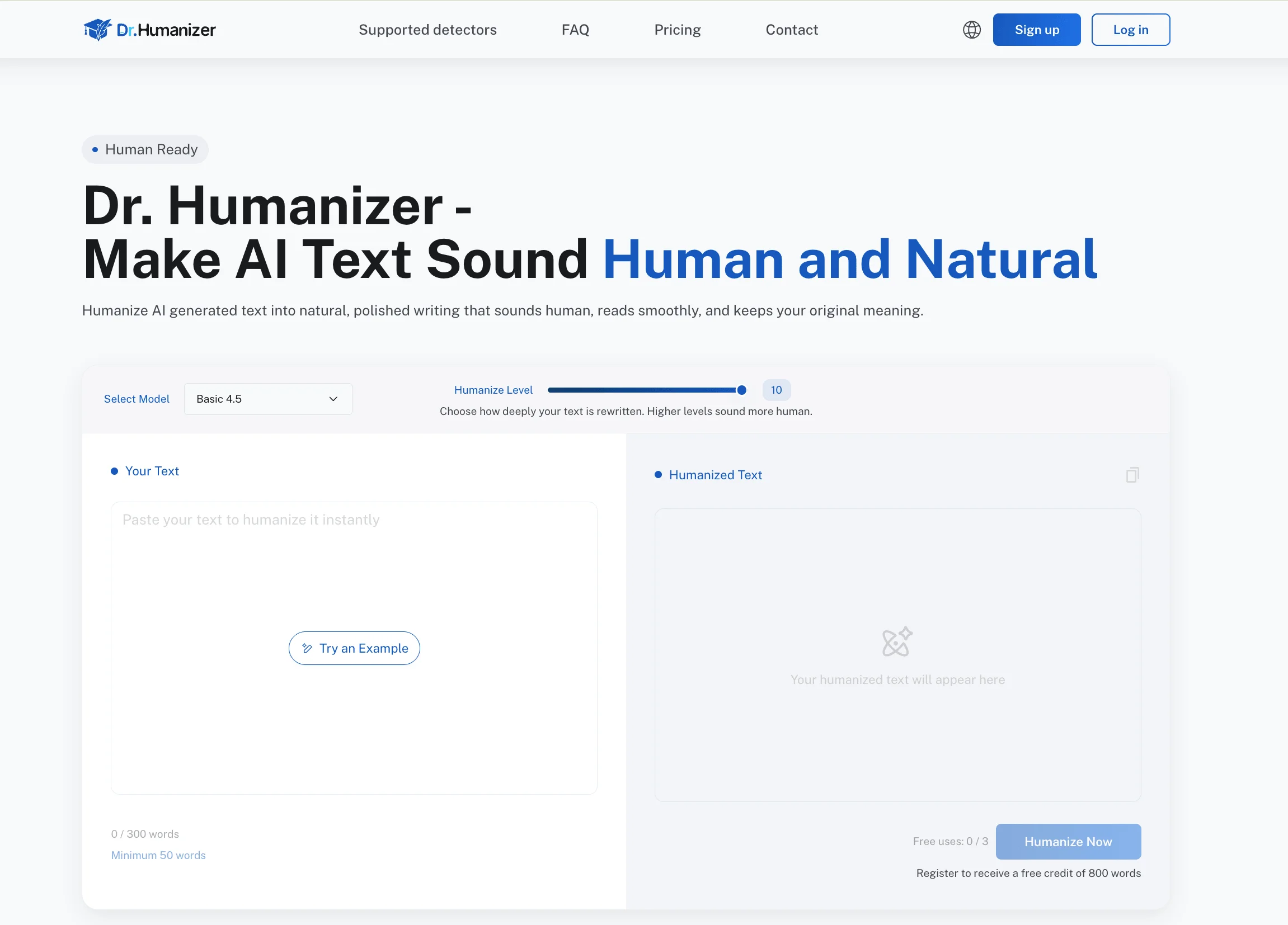
The safest response is not to hunt for ways around the report. Instead, clean up pasted notes, use quotation marks when exact wording belongs in the paper, paraphrase only after you understand the source, and cite every borrowed idea appropriately. If you are also seeing AI-related discussion in class, remember that Turnitin treats AI writing signals separately from similarity and says those results should not stand alone. A tool such as Dr. Humanizer may help reduce robotic phrasing, but it does not replace responsible authorship. When you treat Turnitin as a review tool rather than a score to beat, your submission is usually stronger and less stressful.