

Your draft is due tonight, and your instructor says the submission will generate both a Similarity Report and an AI writing result. That can make one upload feel much bigger than a normal homework file.
Students usually want the mechanics, not rumors. They want to know what Turnitin is actually checking, what the percentage means, and where the limits are.
The next step is to separate the AI writing result from the Similarity Report before reading either one.

Quick Answer to How Does Turnitin Detect AI
In plain terms, Turnitin says it evaluates writing patterns in submitted text and flags passages that may have been prepared by generative AI tools, chatbots, word spinners, and bypasser tools. Its AI writing result is separate from the Similarity score, so a paper can have low similarity and still show AI-indicated text, or high similarity and no AI indication at all.
That distinction matters because the Turnitin plagiarism checker compares your wording to existing sources, while the AI writing result focuses on whether the prose itself appears machine produced or AI-paraphrased. Turnitin also says its system can misidentify human-written, AI-generated, and AI-paraphrased text. For that reason, the company states that the AI result should not be the sole basis for adverse action.
For students, the safest interpretation is simple: treat the report as a signal for review, not a final verdict. If a section reads generic, repetitive, overly even in tone, or detached from your actual argument, revise it for specificity, evidence, and your own reasoning before submitting.
How Turnitin Describes Its Detection Process
Turnitin does not publish a step-by-step formula, but it does describe the broad process in its help documentation. In the new Similarity Report, the AI Writing tab shows an overall percentage of text detected as AI. That percentage is presented independently from similarity. In other words, the two scores are not combined and should not be read as if one explains the other.
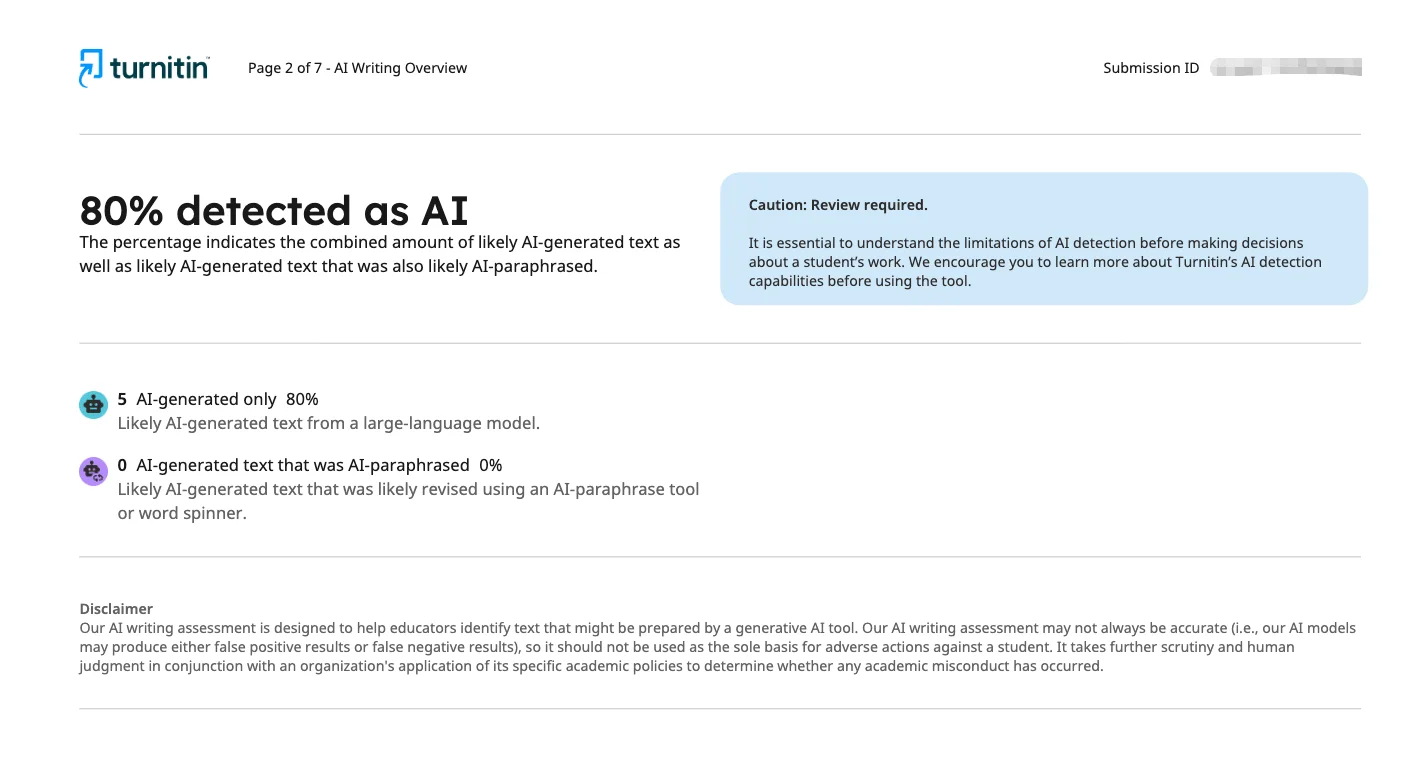
Turnitin also describes two interactive categories in its AI report: AI-generated only and AI-generated text that was AI-paraphrased. That means the system is not only looking for writing that appears directly machine generated. It may also identify text that looks like AI output that has been run through a paraphrasing or word-spinning tool. Turnitin specifically names QuillBot as an example in this context.
Another practical detail is reliability. Turnitin says scores below 20% are shown with an asterisk in some views because results are less reliable and false positives are more likely. You can review Turnitin's official explanations in the AI Writing Report guide and the AI writing detection model overview.
What Counts as Qualifying Text
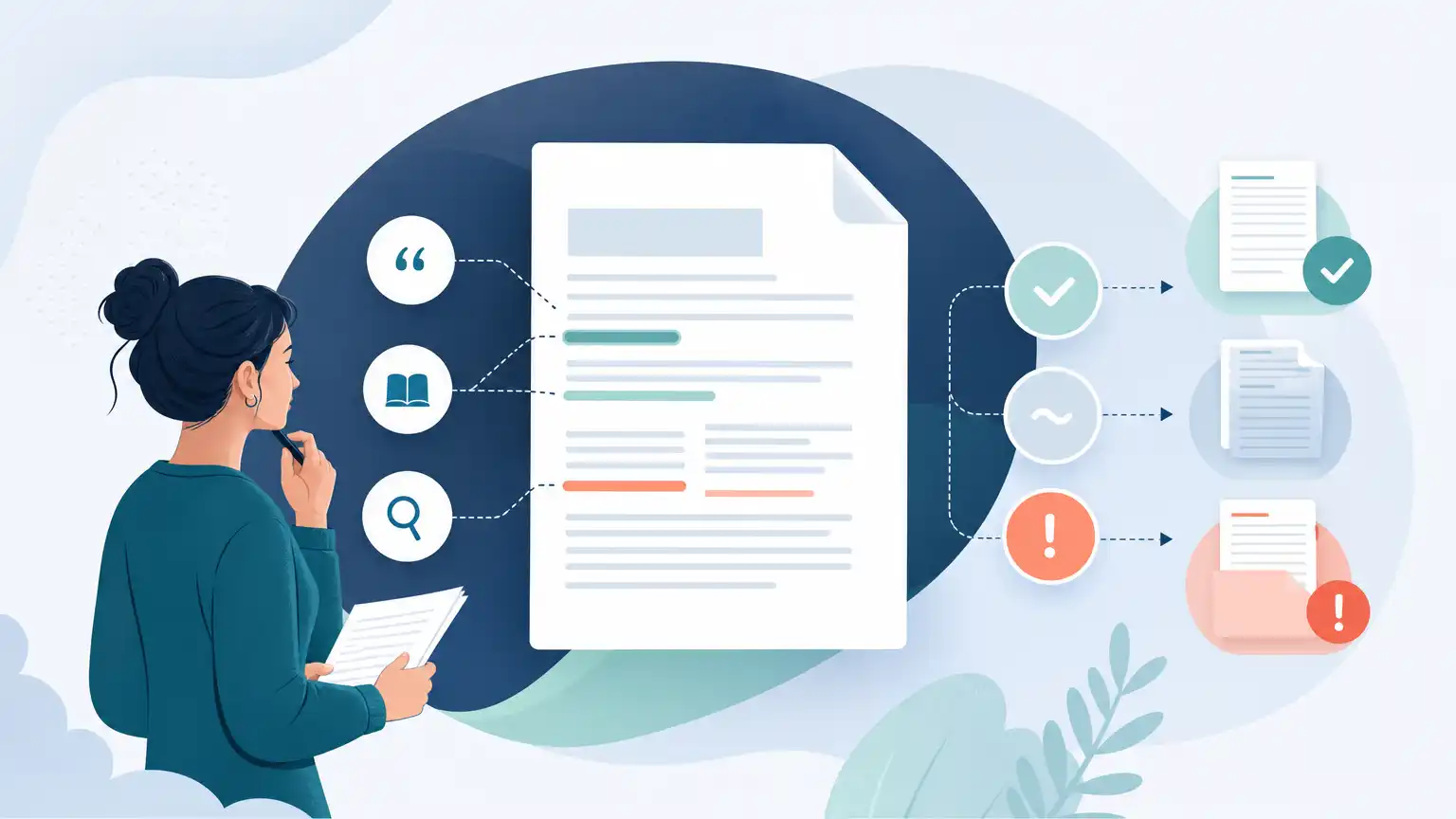
One of the most confusing parts of AI detection is that not every file gives Turnitin the same kind of readable text. The system needs qualifying text it can actually process. If your submission has formatting problems, non-selectable text, or a PDF that behaves more like an image than a normal document, detection may be limited or the file may fail to process correctly.
Turnitin also recommends using a consistent file format across students when an assignment uses AI writing detection. That does not mean one format is magically safer than another. It means readable, standardized files help the platform evaluate submissions more consistently.
For students, qualifying text usually means clear, selectable prose in a normal document upload, not screenshots pasted into a PDF or oddly exported files. Turnitin also notes that only a single document can be submitted to a standard assignment, so you cannot split one paper across multiple files or upload a zip folder. If you submit through a direct submission link, you may not need a user account, but the same document-quality rules still matter.
Submission Detail | Why It Matters for AI Review |
|---|---|
Selectable, readable text | Gives Turnitin actual prose to evaluate |
Consistent file format across a class | Supports more consistent report generation |
Single document upload | Matches standard assignment requirements |
Avoiding unreadable or image-like PDFs | Reduces processing failures or incomplete analysis |
How AI-paraphrased Text Is Reported

Turnitin's documentation makes an important distinction between text that appears directly AI generated and text that appears AI generated and then paraphrased by another tool. In the report, those are treated as separate interactive categories. That tells students something useful about the mechanics: the review is not limited to obvious chatbot wording. It may also consider whether a passage has the pattern of machine-produced prose that has been reworded.
This matters because students sometimes assume heavy editing automatically turns AI writing into ordinary human writing. Turnitin's model description suggests the platform may still classify some passages as AI-paraphrased. Turnitin names QuillBot as an example; QuillBot detection in Turnitin concerns the broader patterns that word-spinning or automated rephrasing can leave.
If you used AI assistance during drafting, the responsible response is not to look for ways around the report. Instead, rebuild weak sections with your own analysis: add course-specific references, explain why evidence matters, vary sentence purpose, and make sure each paragraph reflects decisions you can actually defend to your instructor. If a sentence sounds polished but empty, rewrite it until it says something concrete.
Why the Exact Algorithm Is Not Public

Students often want a technical checklist: sentence length, punctuation habits, vocabulary level, or some secret threshold that explains every flag. Turnitin does not release that kind of proprietary detail. What it shares publicly is the report structure, the broad categories, and the warning that misidentification is possible.
There are good reasons companies keep detection methods private. If every rule were public, people could try to game the system rather than produce better writing. That said, lack of full transparency also means students should consider the limits of Turnitin AI detection accuracy before interpreting a score. A percentage is not the same thing as proof, and Turnitin explicitly says the AI model should not be the sole basis for adverse action.
This is also why online claims about a guaranteed pattern are unreliable. No outsider can honestly map the full method from rumor alone. The most useful student approach is to focus on what is known: Turnitin evaluates text patterns, separates AI findings from similarity, uses categories for AI-generated and AI-paraphrased passages, and acknowledges limitations. That is enough to guide revision without pretending anyone has the hidden formula.
Key Takeaways About How Turnitin Detects AI

Here are the points worth remembering before you submit:
Turnitin says its AI writing capability is designed to help educators identify text that may have been prepared by generative AI tools, chatbots, word spinners, and bypasser tools.
The AI writing percentage is different from the Similarity score. One does not automatically explain the other.
The AI Writing tab in the new Similarity Report shows the overall percentage of text detected as AI.
Turnitin describes two report categories: AI-generated only and AI-generated text that was AI-paraphrased.
Scores below 20% may be marked with an asterisk in some views because false positives are more likely.
Turnitin says human-written, AI-generated, and AI-paraphrased text can be misidentified, so the report should not be the sole basis for serious consequences.
Readable, properly formatted files matter. Unclear PDFs or broken formatting can affect processing.
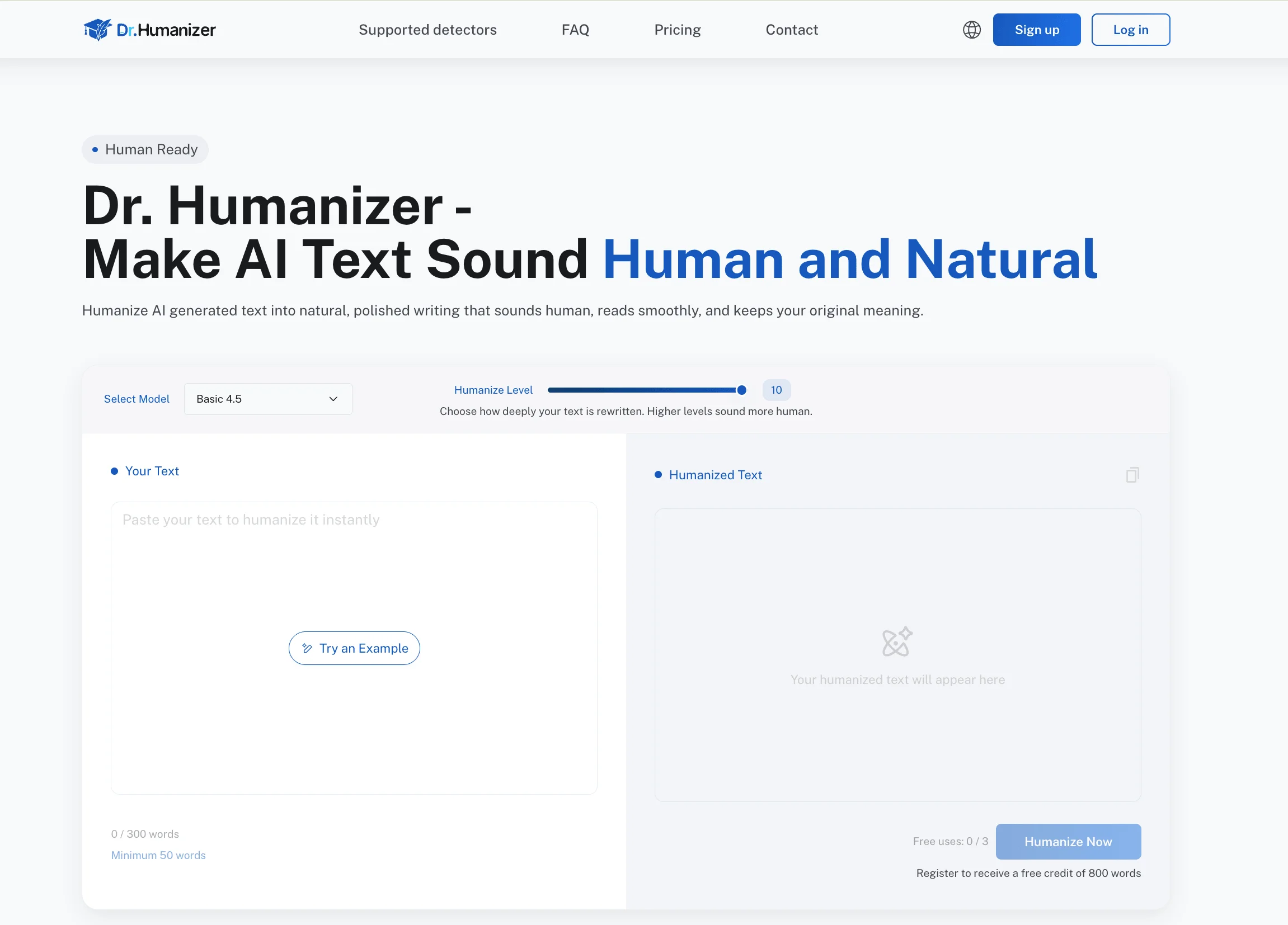
If you are revising an AI-assisted draft, focus less on sounding “less detectable” and more on sounding genuinely accountable. Strong student writing usually shows concrete claims, discipline-specific evidence, and reasoning that connects ideas instead of skating over them. If you need help reducing generic phrasing while keeping ownership of your ideas, Dr. Humanizer can be part of the revision process.
Frequently Asked Questions
Is the AI Score the Same as the Similarity Score?
No. Turnitin states that the AI percentage is separate from and independent of the Similarity score. Similarity highlights matching text against sources in Turnitin's database and other indexed material. The AI result concerns whether the prose may have been prepared by generative AI or AI-paraphrasing tools. A paper can be low in one and high in the other.
Can Turnitin Detect AI-paraphrased Writing?
Turnitin says its report includes a category for AI-generated text that was AI-paraphrased. Its model documentation also mentions word spinners and names QuillBot as an example of an AI paraphrasing tool in this context. That means rewording alone does not guarantee the text will be treated as fully human-authored.
Why Do Some AI Results Show an Asterisk?
According to Turnitin, scores below 20% are shown with an asterisk in some views because those results are less reliable and false positives are more likely. For students, that means a low indicated percentage should be interpreted carefully rather than dramatically.
Can a Bad File Format Affect the Report?
Yes. Turnitin warns that PDFs with non-selectable text, embedded extra files, or unreadable formatting may be rejected or may not process correctly. It also recommends consistent file formats across students when AI writing detection is being used for an assignment. Clean, readable documents give the system the best chance to review actual text.
How Long Does It Take for Turnitin to Generate a New Report?
Turnitin says uploaded files can take about 10 to 15 minutes to process and generate a Similarity Report. Overwritten or resubmitted papers may take up to 24 hours. It also notes that the first three resubmission attempts may generate reports immediately, but after three attempts, a 24-hour delay applies.
Does a High AI Result Automatically Mean Misconduct?
No. Turnitin says its AI model may misidentify human-written, AI-generated, and AI-paraphrased text and should not be the sole basis for adverse action. Your instructor still has to interpret the report in context, including the assignment, your draft history, your sources, and the actual language on the page.
Conclusion on How Does Turnitin Detect AI

When students ask how does turnitin detect AI, the most accurate answer is that Turnitin evaluates submitted prose for patterns associated with AI-generated and AI-paraphrased writing, then presents those findings in a report that is separate from similarity. It also sets limits around that result by acknowledging possible misidentification and warning against using the AI score alone as a final judgment.
That means your best preparation is not guessing at a secret formula. It is submitting a readable file, understanding that AI and similarity are different measures, and revising any vague or overly polished sections until they clearly reflect your own thinking. If a paragraph sounds like it could belong in any paper for any class, make it more specific to your evidence, course, and purpose before you hit submit.