

A ChatGPT draft can sound organized and still feel distant from your actual voice.
That matters when an assignment expects your reasoning, not a polished answer that could fit anyone's paper.
The practical task is making ChatGPT-assisted writing sound human while keeping the work accurate, honest, and tied to the class.
Quick Answer to How to Make ChatGPT Sound Human
To make ChatGPT sound human, remove generic phrasing, verify every claim, and rebuild the draft around your own examples, sources, and sentence rhythm. Use ChatGPT output as a planning aid or rough draft only when your course allows that kind of help. Add specific details from your reading, explain why the evidence matters, and replace overly neat transitions with connections that reflect your argument. A human-sounding paragraph should be clearer and more accountable, not simply harder for a detector to read.
Identify the ChatGPT Fingerprints in the Draft
ChatGPT often produces a helpful but predictable shape. It may start with a broad context sentence, move through balanced points, and end with a tidy summary. That can be useful for orientation, but it rarely sounds like a student working through a specific assignment.
Mark sentences that feel too universal. Phrases about complexity, importance, rapid change, and broad impact often need replacement. Then look for claims without page numbers, course terms, data, or examples.
Too broad: The sentence could appear in a paper from any class.
Too smooth: The paragraph moves well but does not prove anything.
Too complete: The draft sounds certain before you have checked the sources.
Once you see those patterns, you can revise the draft from the inside instead of decorating it with random wording changes.
Bring in Class-Specific Evidence
Human academic writing usually shows where the writer has been: the assigned reading, lecture emphasis, lab method, discussion question, or research source. ChatGPT cannot supply that context reliably unless you add it and verify it.
Choose one paragraph and add evidence from your course materials. If the assignment is literary analysis, mention the passage that matters. If it is a sociology paper, connect the claim to the theory or study you were assigned. If it is a policy memo, name the stakeholder affected by the recommendation.
ChatGPT Draft Problem | Student Revision |
|---|---|
General claim about a theme | Explain how one scene, quotation, or source supports the theme. |
Uncited background statement | Add a credible source or remove the claim. |
Balanced list of pros and cons | Choose the point your argument actually needs. |
Change the Structure When Your Argument Needs It
ChatGPT tends to organize ideas into clean blocks. Your paper may need a less symmetrical structure. A paragraph might begin with a surprising source detail, a counterargument, or a problem in the evidence.
Do not keep an AI-generated essay outline just because it looks orderly. Ask what the reader needs next. If the paper is making a claim, lead with evidence. If the paper is comparing two positions, put the real disagreement first. If the assignment asks for reflection, include what changed in your thinking.
A human structure follows the argument. It does not need to look messy, but it should show decisions that fit the assignment instead of a generic five-part response.
If the prompt asks for analysis, your structure should move from evidence to interpretation. If it asks for reflection, it should show what you noticed, questioned, or changed after engaging with the material.
Revise Tone Without Losing Academic Control
Making ChatGPT sound more human does not mean adding jokes, slang, or intentional errors. It means choosing words that fit your level of certainty and the evidence you have.
Replace inflated phrases with direct language. Change "utilize" to "use" when nothing is gained by the longer word. Replace "plays a crucial role" with the specific role. Cut sentences that praise a topic instead of analyzing it.
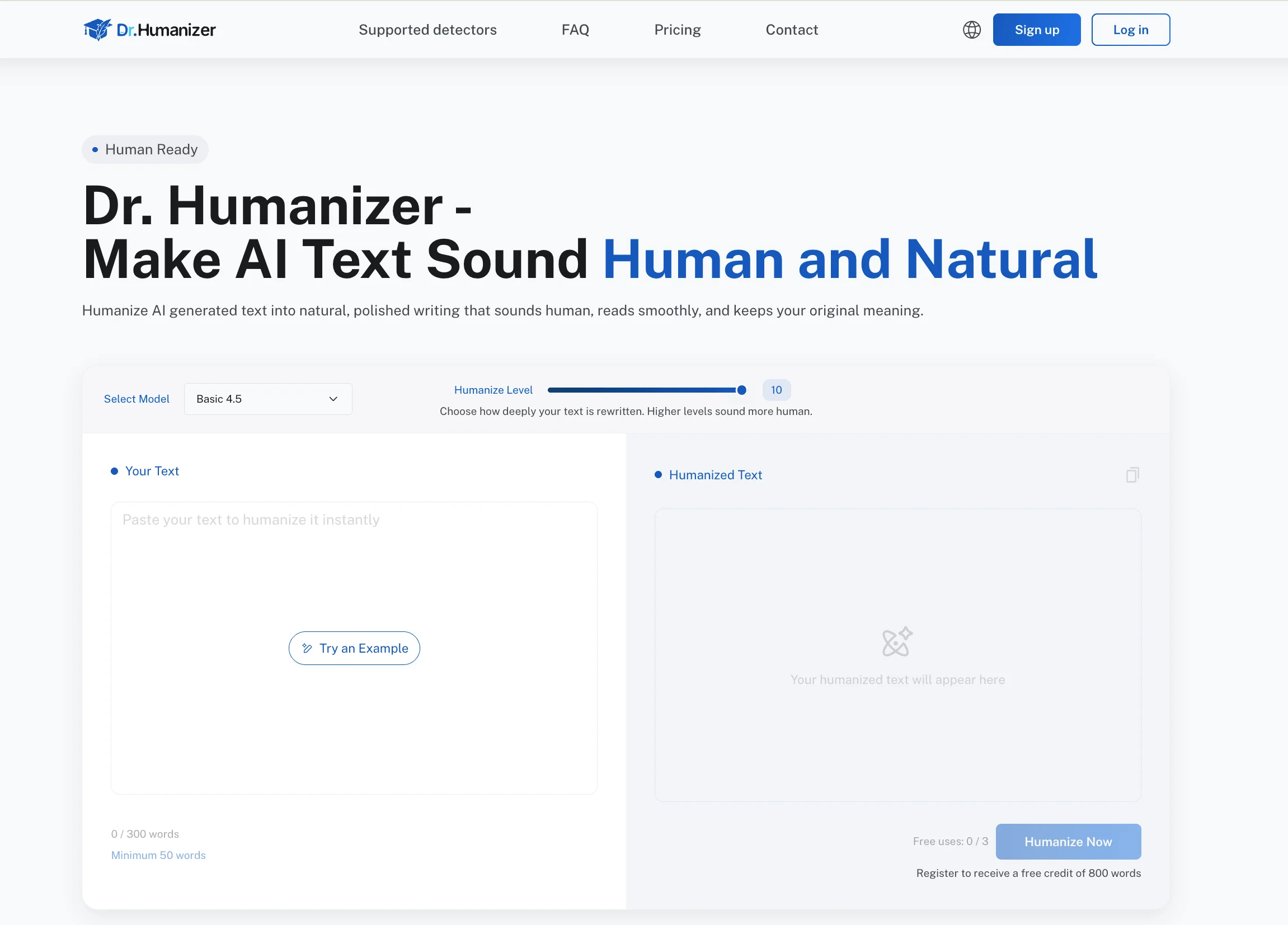
If the draft feels robotic after your own edits, Dr. Humanizer can help compare more natural versions of AI-assisted text. Use any rewrite as an editing suggestion, then check that it keeps your meaning and meets your course rules.
Keep AI Use Transparent When Your Class Requires It
Stanford's guidance for students says to review the course policy, assume AI use is not allowed unless the assignment says otherwise, and disclose AI help when required. That rule of thumb is useful even outside Stanford because course expectations differ.
If the syllabus allows AI for brainstorming, you can say how you used it. If the instructor permits grammar review only, do not use ChatGPT to create full paragraphs. If the policy is unclear, ask before submitting.
Transparency also helps your revision. When you know which parts came from AI, you can decide what needs verification, rewriting, or removal.
It can also prevent accidental overreliance. A student who labels AI-assisted notes early is less likely to mistake them for finished analysis later.
Key Takeaways
ChatGPT output often needs evidence, source checking, and a more assignment-specific structure.
Human-sounding writing is direct, specific, and connected to the writer's own reasoning.
Changing words is less important than changing unsupported or generic thinking.
Course policy decides what AI help is acceptable for a given assignment.
A humanizer can support editing, but it should not replace your own revision decisions.
FAQ
Why Does ChatGPT Writing Sound So Polished?
ChatGPT often produces balanced sentences, formal transitions, and broad summaries because those patterns are common in training examples. The result may sound fluent but not very personal, especially when the paragraph lacks course details or source-specific reasoning.
Can I Ask ChatGPT to Write in My Voice?
You can ask for style help if your assignment allows AI support, but you still need to review the output carefully. A model can imitate surface patterns, yet it cannot replace your understanding, evidence choices, or responsibility for the final submission.
Should I Make ChatGPT Text Less Formal?
Only where formality is getting in the way of clarity. College writing can be polished and still sound human. Focus on precise verbs, concrete evidence, and sentence rhythm rather than making the paragraph casually informal.
Can Instructors Tell When ChatGPT Was Used?
Sometimes they may suspect AI use from generic phrasing, unsupported claims, or a sudden voice change. A detector score alone is not perfect evidence, but drafts, notes, and a student's explanation can reveal how the writing developed.
Conclusion
The best revisions move beyond surface rewriting. To make ChatGPT sound human, add the evidence, course context, judgment, and sentence rhythm that only you can provide.
When AI use is allowed, treat ChatGPT as a tool for starting or testing ideas. The final paper should show your reading, your choices, and your ability to explain the work.