

College work often asks you to switch from reading to writing to test prep without much space in between.
ChatGPT can reduce that friction, but only if you decide which parts of the work should remain fully yours.
Using ChatGPT for students responsibly means treating it as a study assistant that supports learning, not as a substitute author.
Quick Answer to ChatGPT for Students
ChatGPT can help students explain difficult concepts, create practice questions, organize notes, outline essays, revise rough drafts, and prepare for presentations. It should be used with course rules, human judgment, and fact-checking. Students should not submit raw AI output as their own work, rely on invented citations, or use the tool to avoid reading assigned material. The best workflow is interactive: bring your notes, ask focused questions, request feedback, verify claims, and rewrite the final work in your own voice.
Best Study Uses for ChatGPT
The strongest student uses are the ones that make you think. Ask ChatGPT to quiz you on a chapter, explain a concept at your course level, compare two theories, or build a study guide from lecture notes. OpenAI's Study Mode is designed to guide students through problems step by step, and that same tutoring mindset is useful even outside that specific feature.
A poor use is asking for a finished answer before you understand the assignment. A better use is showing your draft answer and asking what assumption is missing. That small shift changes the tool from a shortcut into feedback.
Task | Useful Prompt Direction | Student Responsibility |
|---|---|---|
Reading | Ask for the main claim and confusing terms | Return to the assigned source |
Writing | Ask for feedback on clarity and structure | Write and revise the final draft |
Exam Prep | Ask for practice questions by difficulty | Check answers against course materials |
Presentation | Ask for a logical order of points | Use accurate sources and your own delivery |
Writing Help Without Losing Your Voice
ChatGPT can help you find gaps in an outline, identify a weak topic sentence, or make a paragraph more concise. It should not decide your thesis or replace your evidence. If your instructor allows AI help, keep drafts that show how your thinking developed.
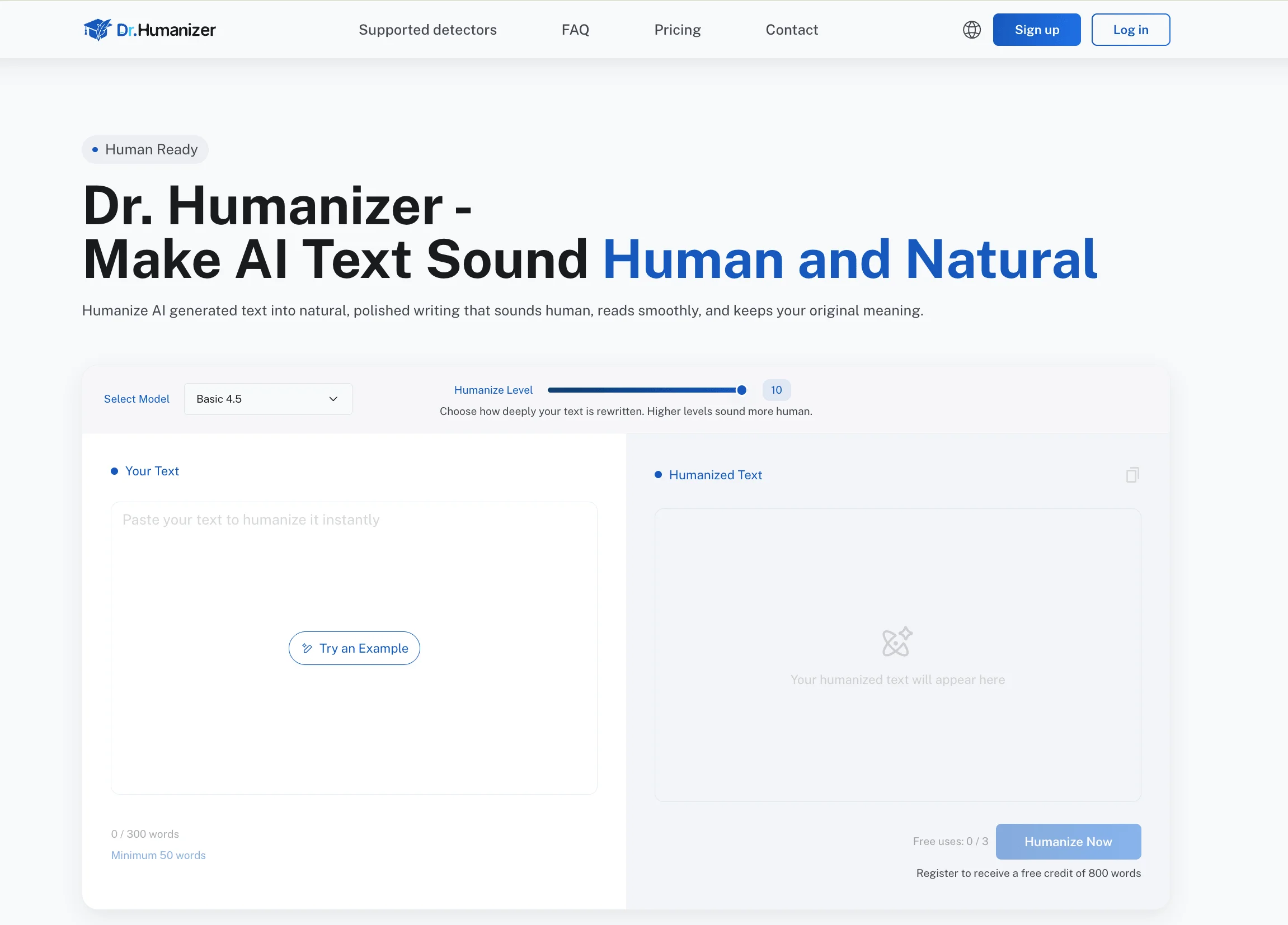
When AI-assisted wording sounds flat, Dr. Humanizer can help make sentences flow more naturally while you keep responsibility for accuracy and citation. The final draft should still sound like you, reflect your class materials, and answer the actual prompt.
Fact-Checking and Citation Risks
ChatGPT can be wrong, outdated, or too general. It can also produce citations that look real but do not match a real source. For academic writing, verify every factual claim in library databases, assigned readings, official websites, or peer-reviewed sources before you rely on it.
If you use ChatGPT to brainstorm sources, ask it for search terms rather than finished references. Then find sources yourself through your library or instructor-approved databases. That protects you from fabricated bibliography entries and gives you stronger evidence.
Class Policy and Disclosure Decisions
Some courses allow AI for brainstorming and grammar support. Others ban AI for take-home exams, coding assignments, or first drafts. The safest habit is to read the syllabus before using any AI tool, especially for graded work.
When disclosure is required, be specific. Say whether ChatGPT helped generate practice questions, outline a section, revise wording, or explain a concept. Vague statements create confusion, while specific statements show that you understand the boundary.
A Weekly ChatGPT Study Workflow
A practical student workflow starts with review, not writing. At the end of each class week, paste only your own notes or a short topic list and ask ChatGPT to create five recall questions. Answer them without looking. Then ask for feedback on the weakest answer and return to your notes to correct it.
For writing assignments, use a different rhythm. Draft your thesis and one body paragraph first. Ask ChatGPT to identify the claim, evidence, and missing link in your paragraph. Do not ask for a replacement paragraph until you understand what failed in your own draft.
For long-term projects, create a planning conversation that stays separate from content generation. Use it for deadlines, source categories, and revision checklists. Keeping planning separate makes it easier to see which parts of the final paper came from your own reading and thinking.
At the end of the week, review what ChatGPT helped with. If most uses were answer requests, shift toward questions and practice. If most uses were feedback and testing, the tool is more likely supporting actual learning.
Use one conversation for weekly recall practice.
Ask for paragraph feedback after drafting yourself.
Keep project planning separate from final prose.
Review your AI use patterns every week.
Students should also decide when not to open ChatGPT. If the task asks for personal experience, an in-class response, or a diagnostic sample of your current writing, AI help can make the work less honest and less useful. Save AI support for moments where the instructor permits assistance and where feedback will help you learn the next skill.
A strong habit is to keep a short note beside major assignments that says what help you used. It might say, "asked for practice questions" or "received clarity feedback on paragraph two." That note makes disclosure easier and helps you notice whether your work still reflects your own thinking.
Key Takeaways
Use ChatGPT to practice, question, organize, and revise.
Do not submit raw AI output or invented citations.
Verify facts and align every use with course policy.
Keep your own voice, evidence, and reasoning at the center of the work.
FAQ
How Can Students Use ChatGPT Responsibly?
Use it for tutoring-style explanations, practice questions, outlines, and revision feedback. Bring your own notes and attempts first. Then verify the response against course materials and follow your instructor's AI policy.
Can ChatGPT Help with Essays?
Yes, it can help brainstorm angles, organize an outline, or critique a paragraph. It should not write the final paper for you. Your thesis, evidence, citations, and interpretation should come from your own work.
Should Students Cite ChatGPT?
That depends on the style guide and your instructor's policy. Some assignments require disclosure rather than a formal citation. If AI meaningfully shaped your work, ask your instructor how they want that use documented.
Can ChatGPT Be Wrong?
Yes. It can make factual mistakes, simplify complex issues too much, or invent citations. Always check important information with reliable sources, especially for research papers, technical work, legal topics, and medical topics.
Conclusion
ChatGPT for students is most helpful when it supports active learning. It can ask questions, clarify readings, and improve drafts, but it cannot replace careful reading, honest writing, or class-specific judgment.
Use it with a clear purpose, verify what it gives you, and keep the final academic decisions in your hands. That balance makes AI useful without weakening the learning your assignment is meant to build.